Selling Your Palm Beach Property With Open Code Violations
Most Palm Beach sellers think code violations are deal killers. Red flags that scare off buyers and torch your asking price. But the reality is messier than that — and if you understand the angles, you've got options. Violations may not disappear overnight, but they don't have to sink your sale either. Especially if you're strategic about disclosure, pricing, and who you're selling to.
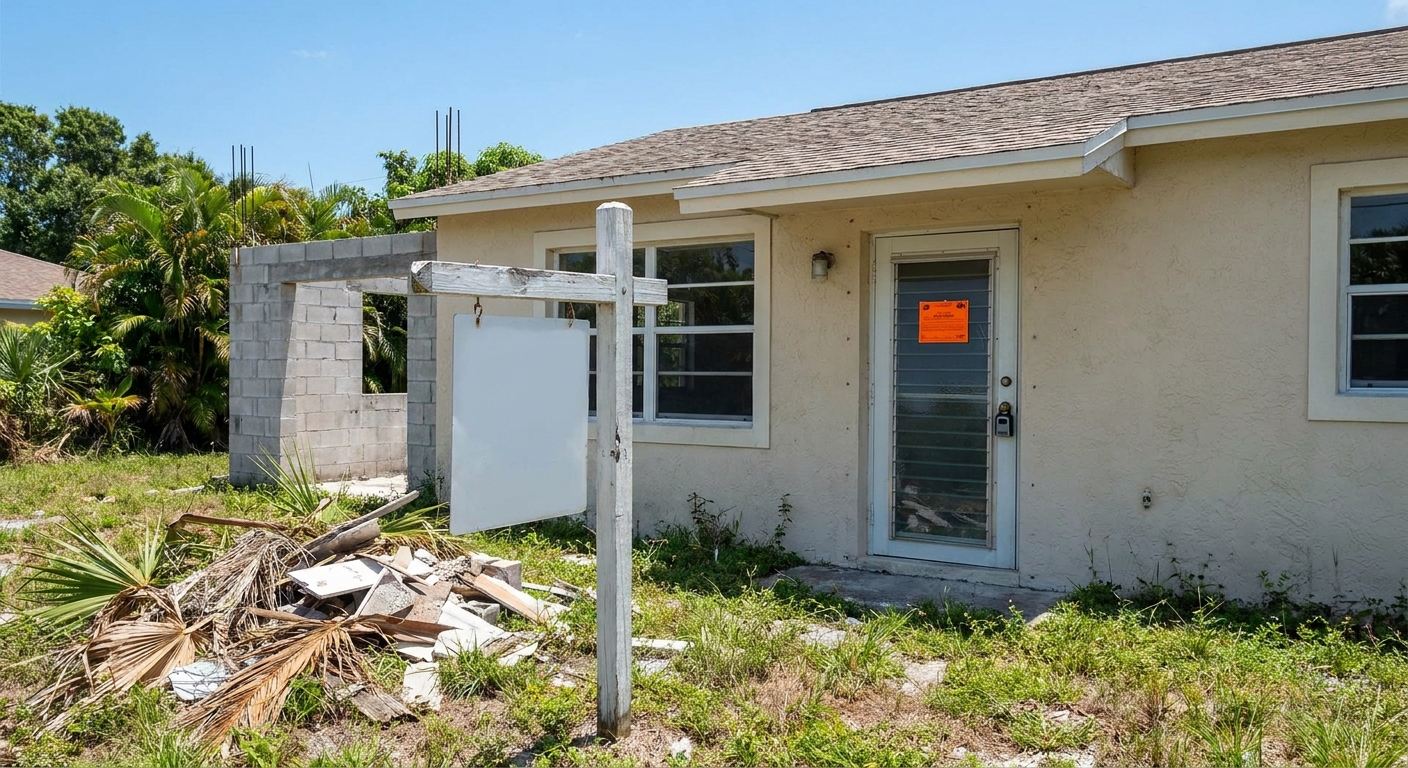
So here's the truth. If you're sitting on a property with open violations, that's not the end of the road. Just don't pretend they don't exist. Every issue needs to be disclosed. Every buyer needs to know what they're inheriting. And every pricing decision should reflect what it'll cost to fix — not just what you wish the place was worth.
When Violations Show Up and What They Really Mean
Code violations happen when your property doesn't meet Palm Beach's building, safety, or zoning standards. Some are minor — overgrown hedges, missing permits for a shed. Others are structural nightmares like unpermitted room additions or electrical work done without approval. The city's enforcement team logs these issues, sends notices, and expects you to fix them within a set window.
Ignore them long enough, and you're looking at fines, liens, or worse. And when it's time to sell? Those violations become part of your listing package whether you like it or not.
Here's what we see most often in Palm Beach:
- Renovations or additions done without permits
- Fencing that crosses property lines or violates setback rules
- Electrical or plumbing work that wasn't inspected
- Landscaping violations or neglected exterior maintenance
- Roof damage or structural defects flagged during inspection
How Open Violations Change the Game
Violations don't just sit in a file somewhere. They affect who can buy your property and how much they'll pay. Traditional buyers — especially first-timers or families relying on financing — usually walk away. Lenders won't approve loans on homes with serious code issues. That narrows your pool fast.
Then there's the valuation hit. Buyers see violations and immediately start doing math. What'll it cost to bring the place into compliance? How long will that take? And why should they pay full price for a property that comes with a to-do list? Expect lowball offers or demands that you fix everything before closing. In some cases, the city may have already placed a lien, which has to be cleared before title can transfer.
Paths Forward When the Property Isn't Clean
Selling with open violations isn't impossible. It just requires a different approach. You've got leverage if you know where to apply it.
First, full disclosure is non-negotiable. Florida law mandates that sellers reveal known defects and code problems. Skip that step, and you're opening yourself up to lawsuits down the line. Transparency also builds credibility with serious buyers who respect straight talk over surprises at inspection.
Your biggest opportunity lies with cash buyers and investors. These are the folks who specialize in properties with baggage. They'll take the violations off your hands, handle the repairs themselves, and close without needing lender approval. You'll sacrifice some equity — expect offers below market — but you'll avoid months of repairs and the headache of navigating city bureaucracy.
Key advantages of selling to investors include:
- No repair requirements on your end
- Fast closings without financing contingencies
- Cash offers that bypass traditional lender restrictions
- Buyers who understand code issues and price accordingly
- Minimal inspection drama or renegotiation risk
Negotiating Around the Issues
If you're dealing with a traditional buyer who's willing to work with violations, negotiation becomes the name of the game. Some buyers will accept a credit at closing to cover repair costs. Others want certain violations resolved before they'll sign. This route can net you a higher sale price, but it also drags out the timeline and may require upfront investment on your part.
You'll need leverage to make this work. That means pricing competitively, showing receipts for any partial fixes, and being flexible on terms. And if the buyer's lender gets involved, be prepared for stricter demands. Lenders don't care about your timeline — they care about collateral that meets their standards.
Potential negotiation strategies include:
- Offering a repair credit based on contractor estimates
- Agreeing to resolve specific violations before closing
- Providing documentation showing progress toward compliance
- Adjusting the sale price to reflect the cost of bringing the property up to code
- Working with the buyer's lender to identify acceptable remediation plans
Why Professional Guidance Matters Here
Selling a property with code violations isn't a DIY project. The rules are technical, the buyers are cautious, and the city doesn't give you wiggle room. A real estate professional who's handled these sales before can map out the cleanest path forward.
They'll help you price realistically, connect you with buyers who won't bolt at the first whiff of trouble, and manage disclosure requirements so you're protected legally. They also know which violations are deal-breakers and which ones buyers can stomach with the right incentive.
What a seasoned agent brings to the table:
- Experience marketing properties with code issues
- Connections to cash buyers and investors who specialize in distressed sales
- Guidance on disclosure requirements and legal obligations
- Insight into how violations impact pricing and negotiation
- Support navigating city enforcement timelines and lien resolution
Documentation Protects You Every Step
Want to avoid surprises? Keep records of everything. Every notice from the city, every contractor estimate, every payment toward fines or repairs. If a buyer asks questions or a lien pops up at closing, you'll need proof of what you knew, when you knew it, and what you did about it.
Sloppy documentation is how sellers end up in legal trouble. Even if you're selling as-is, you're still responsible for honest disclosure. And if the city claims you ignored notices or let violations pile up, your paper trail is your defense.
Essential records to maintain:
- Official code violation notices with dates and case numbers
- Correspondence with city enforcement officials
- Contractor bids or completed work invoices
- Proof of any fines paid or liens satisfied
- Documentation showing good-faith efforts toward compliance
Move Forward With a Clear Plan
Code violations don't have to paralyze your sale. They just force you to be smarter about pricing, timing, and buyer selection. Whether you fix the issues, negotiate credits, or sell as-is to a cash buyer, there's a strategy that fits your situation. Many property owners dealing with violations benefit from working with experienced permit expediters who understand the local compliance landscape. The key is owning the reality of your property's condition and building a plan around it — not pretending the problems will solve themselves. Professional property code violation assistance can help you navigate disclosure requirements and develop a clear remediation strategy. For properties facing financial encumbrances from unresolved issues, understanding the options for property lien removal becomes critical to achieving a successful closing. If you're uncertain about which types of permits in Palm Beach County may be missing or incomplete on your property, consulting with specialists who handle construction building permits can provide clarity before listing. Get the right guidance, keep your paperwork tight, and you'll close the deal without the city breathing down your neck.
Let's Tackle Your Code Violation Sale Together
Selling a Palm Beach property with open code violations doesn't have to be overwhelming. With the right team by your side, we can help you navigate the process, protect your interests, and connect you with buyers who understand the unique challenges involved. If you're ready to move forward or just want to talk through your options, give us a call at 561-446-2929 or schedule a consultation and let's find the best path to your successful sale.
‹ Back
Recent Posts
-
Selling Your Palm Beach Property With Open Code Violations
November 23, 2026
-
Can a Palm Beach Code Violation Turn Into a Property Lien?
November 9, 2026
-
Are Code Violation Fines Adding Up on Your Palm Beach Property?
October 26, 2026
-
Can a Code Violation Hold Up Your Palm Beach Renovation?
October 12, 2026
-
Unpermitted Home Additions in Palm Beach and How to Fix Them
September 28, 2026