Are Code Violation Fines Adding Up on Your Palm Beach Property?
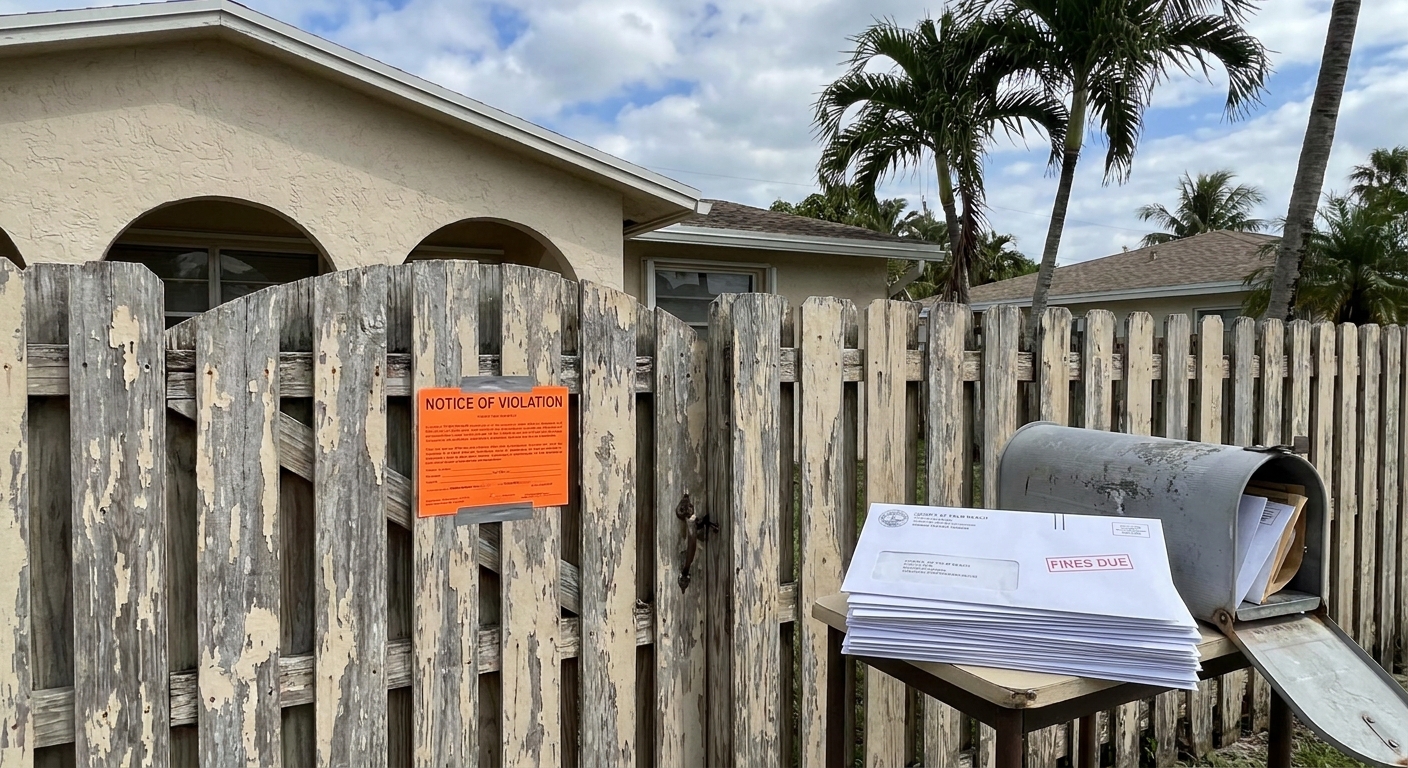
Palm Beach property owners face a reality most don't think about until it's too late. Code violations aren't just warnings—they're the start of a ticking clock that costs real money. Every day you ignore that notice, every week you think you'll get to it later, the meter's running. And it doesn't care if you're out of town, tied up with work, or just didn't check the mail.
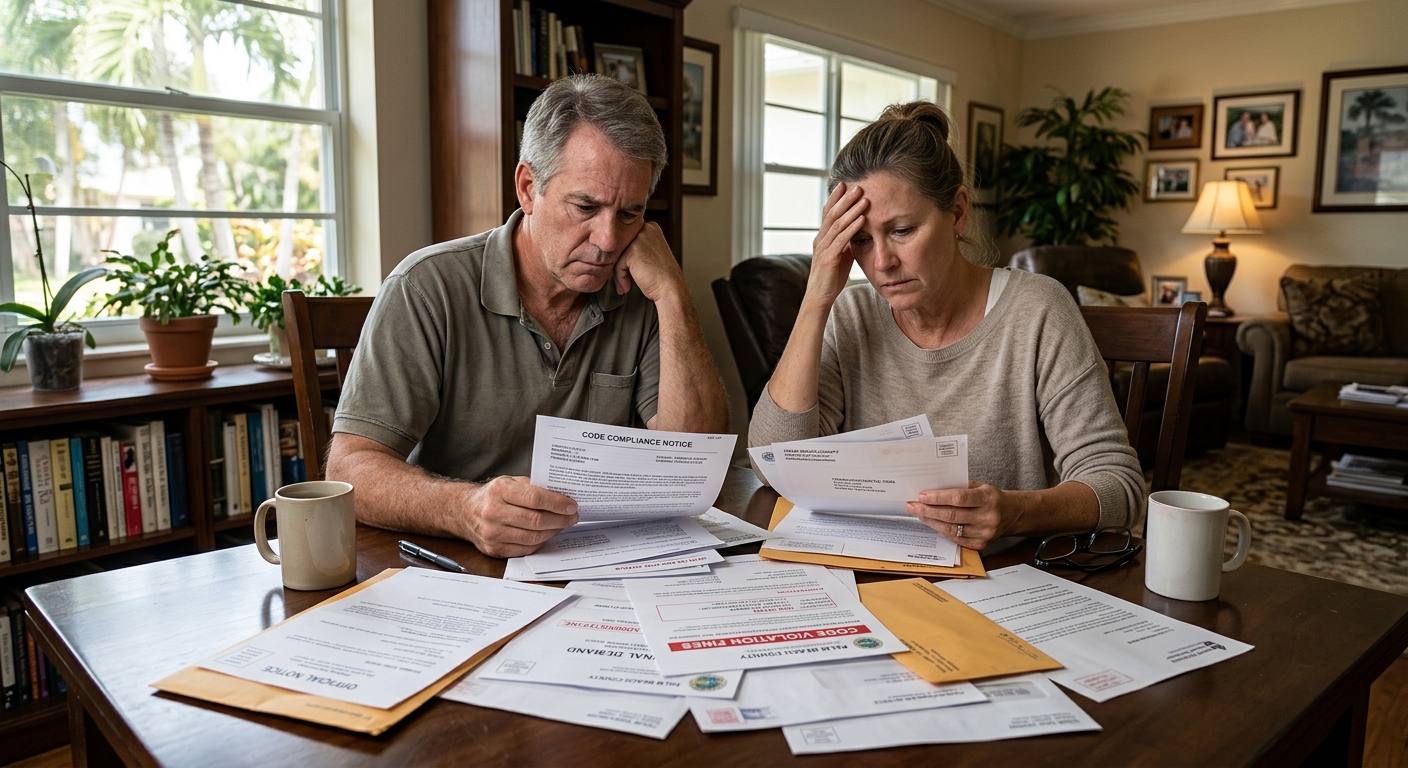
The city doesn't send these notices for fun. They're enforcing rules designed to keep neighborhoods clean, safe, and valuable. But when those rules get broken—even accidentally—the financial consequences pile up fast. What starts as a fixable problem can turn into a property lien, a legal battle, or worse. So if you've got notices sitting on your counter, now's the time to deal with them.
What Triggers a Violation in the First Place
Code enforcement isn't lurking around every corner looking for trouble, but they do respond to complaints and routine inspections. The violations we see most often aren't dramatic—they're mundane. Grass that's too tall. A fence with missing slats. An old boat sitting in the driveway. Peeling paint on the exterior. A pool that's turned green. Sometimes it's construction work that never got permitted, or a shed that went up without approval.
Once a violation is spotted, you get a notice with a deadline. Fix it by then, and you're clear. Miss that deadline, and the fines start. The city doesn't negotiate on timelines unless you've got a compelling reason and you ask in advance. Most property owners assume they have more time than they do. They don't.
Fines Multiply Faster Than You Think
Palm Beach doesn't mess around when it comes to penalties. Depending on what triggered the violation, you could be looking at anywhere from $50 to $500 per day. That's not a one-time fee—it's daily. So a landscaping issue that drags on for a month can easily hit $1,500. A structural violation? You're talking thousands before you even realize what's happening.
And if you're not living on-site or checking your mail regularly, those notices can stack up unnoticed. By the time you find out, you're facing a bill that's way beyond what it would've cost to fix the problem in the first place. Administrative fees get tossed on top. Legal costs if it escalates. And if it goes unpaid long enough, the city can file a lien against your property.
What Happens When Violations Go Unresolved
Ignoring a code violation doesn't make it disappear. It makes it worse. Once fines reach a certain threshold, the city can place a lien on your property. That lien stays there until you pay up and resolve the violation. You can't sell. You can't refinance. You can't move forward with any transaction that requires a clear title.
In extreme cases, the city can foreclose to recover what you owe. It's rare, but it happens. More commonly, you'll face legal action, court dates, and mounting costs that spiral out of control. Even if it doesn't get that far, common code violations in Palm Beach County hurt your standing in the neighborhood. Property values drop. Neighbors get frustrated. And your reputation as an owner takes a hit.
Steps to Take Right Now
If you've got a notice, don't stash it in a drawer. Open it. Read it. Understand exactly what's required and when it's due. Then move fast. The sooner you respond, the less damage you'll do to your wallet and your property's standing.
- Contact the code enforcement officer listed on your notice and ask for clarification if anything's unclear
- Schedule the repairs or corrections immediately—don't wait for a convenient time that never comes
- Hire a contractor or property manager if you're not able to handle the work yourself
- Request a re-inspection as soon as the issue is fixed so the fines stop accruing
- If you believe the violation was issued in error, file an appeal or request a hearing before the deadline
How to Avoid This Mess in the Future
Prevention beats damage control every time. Regular property inspections catch problems before the city does. Keep landscaping maintained. Make sure all structures and improvements are permitted. If you're an absentee owner, hire someone local to keep an eye on things and handle maintenance before it becomes a violation.
- Walk your property monthly and look for issues that could trigger a notice
- Stay current on local code updates—rules change, and ignorance won't save you
- Keep a checklist of seasonal maintenance tasks like lawn care and exterior paint touch-ups
- Respond immediately to any neighbor complaints before they escalate to official reports
- Work with a property manager if you can't be on-site regularly
When Professional Help Makes Sense
Some violations are straightforward—cut the grass, fix the fence, done. Others involve permits, legal nuances, or disputes over whether the violation is even valid. If you're dealing with something complicated, or if fines have already climbed into the thousands, bring in a professional. A real estate attorney who knows property code violation assistance can negotiate on your behalf, file appeals, and help you avoid the worst-case scenarios.
- Attorneys can request fine reductions or payment plans if you're facing a large bill
- They know how to navigate hearings and present your case effectively
- If a lien has already been filed, they can work to clear it and restore your title
- Real estate professionals can advise on whether selling as-is might make more sense than continuing to fight
The Cost of Waiting Is Always Higher
Every day you delay addressing a code violation, you're choosing to pay more. The fines don't pause. The city doesn't forget. And the longer it drags on, the harder it becomes to resolve without serious financial pain. If you've got notices piling up, now's the time to act. Not next week. Not when you get around to it. Now.
- Daily fines compound faster than most people realize
- Liens complicate your ability to sell or refinance
- Legal battles drain time and money that could've gone toward fixing the issue
- Unresolved violations damage your property's value and your neighborhood's perception
Protecting Your Investment Starts With Action
Code violations aren't the end of the world, but they're not something you can afford to ignore. The system is designed to push you toward compliance, and it does that through escalating pressure. The sooner you respond, the less it costs. The faster you fix the problem, the cleaner your record stays. And the more proactive you are about maintenance, the less likely you'll ever see another notice.
- Act on notices immediately—every day matters
- Document everything you do to resolve violations
- Keep communication open with code enforcement throughout the process
- Invest in regular maintenance to prevent future issues
- Consider professional help if fines have already escalated or if the violation is complex
Your property is an asset, and code violations after unpermitted work threaten that asset's value and your ability to control it. Don't let bureaucracy and fines take over because you waited too long. Get ahead of the problem, clean up what needs fixing, and keep your investment secure. For comprehensive support navigating violations, code violation repair services can help you resolve issues efficiently. The city's not going to cut you a break just because you didn't know, but working with experienced permit expediters can cut your losses by taking action now.
Let’s Solve Your Code Violation Headaches Together
We know how stressful it can be when code violations start piling up and the fines keep growing. You don’t have to face the city alone or let the situation spiral out of control. Let’s work together to protect your property and put these issues behind you. Call us at 561-446-2929 or schedule a consultation so we can help you get back on track and safeguard your investment for the future.
‹ Back
Recent Posts
-
Are Code Violation Fines Adding Up on Your Palm Beach Property?
October 26, 2026
-
Can a Code Violation Hold Up Your Palm Beach Renovation?
October 12, 2026
-
Unpermitted Home Additions in Palm Beach and How to Fix Them
September 28, 2026
-
Real Estate Closing Delays Caused by Permit Issues in Palm Beach
September 14, 2026
-
What Should You Do About a Stop Work Order in Palm Beach?
August 31, 2026