Can a Palm Beach Code Violation Turn Into a Property Lien?
Most property owners think code enforcement is just about keeping the neighborhood tidy. Grass too high, paint peeling, junk in the yard. But Palm Beach doesn't see it that way — and if you're treating notices like suggestions, you're in for a rude awakening. Violations may start as warnings, but they don't stay that way for long. Especially when fines start stacking and the county decides it wants its money.
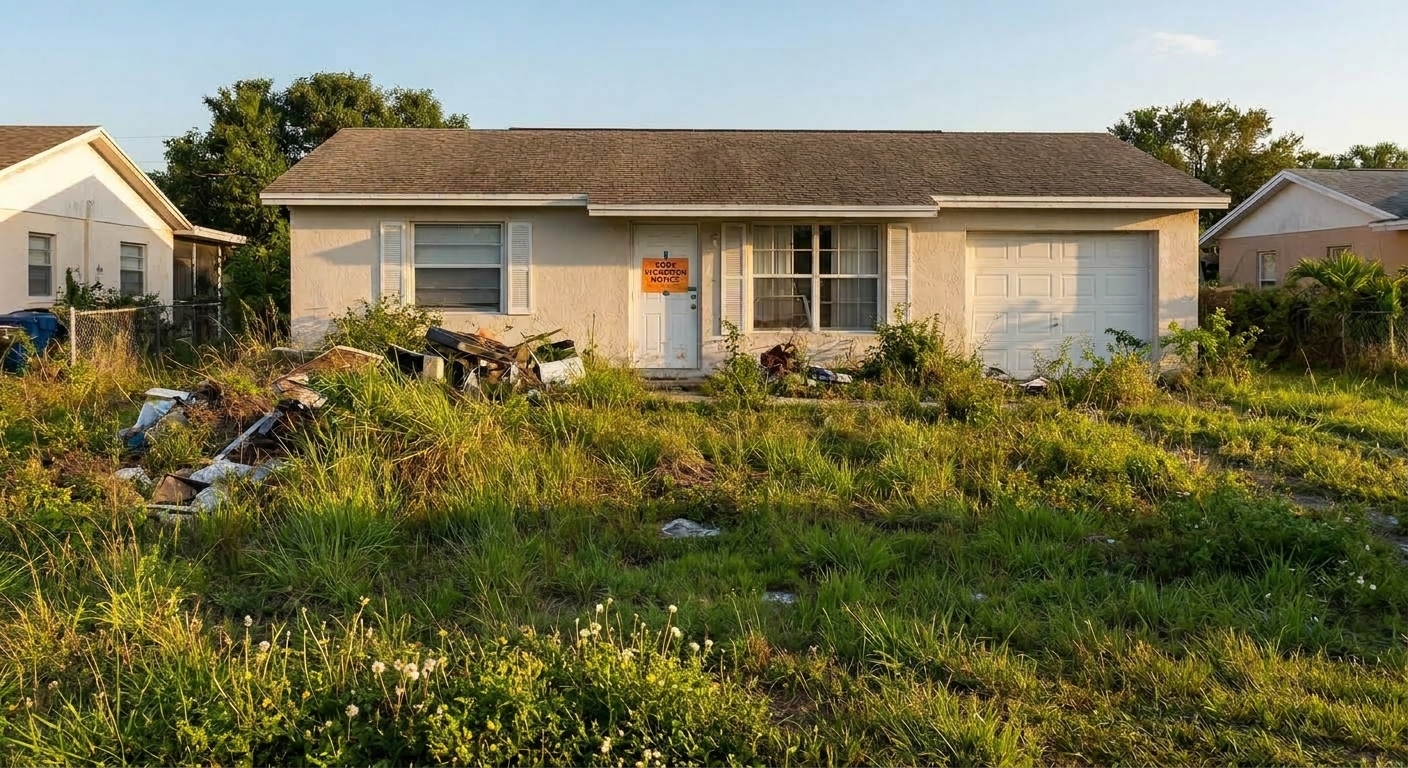
Here's what matters. If you own real estate in Palm Beach and you let violations slide, those unpaid penalties can turn into something far worse than a letter in the mail. They become liens. Legal claims against your property. And once that happens, you're not just dealing with code enforcement anymore — you're dealing with your ability to sell, refinance, or even keep your home.
When a Violation Starts Small but Doesn't Stay That Way
Code enforcement kicks in when your property doesn't meet local standards. That could mean overgrown vegetation, unpermitted additions, exterior damage, or even trash left visible from the street. Palm Beach has strict standards, and they enforce them consistently. Most of the time, you'll get a notice first — a formal heads-up that something's out of compliance and needs fixing within a set window.
If you act fast and correct the issue, that's usually the end of it. But ignore that deadline? The county moves to the next step. Fines get issued. Hearings get scheduled. And suddenly what started as a fixable problem becomes a financial burden with legal teeth.
Fines Pile Up Faster Than You Think
Once a violation goes unaddressed, the county can impose daily fines. These aren't one-time penalties — they accumulate every single day the problem persists. A $100-per-day fine turns into $3,000 in a month. Let it run for six months and you're looking at tens of thousands of dollars. Add administrative fees, interest, and enforcement costs, and the bill grows even faster.
At this point, many property owners assume they can just pay it off later or negotiate it down. Sometimes that works. But the county doesn't have to play ball, and if you wait too long, you lose leverage. Once the case goes before a magistrate or code enforcement board, the decision is out of your hands.
How Unpaid Fines Turn Into Liens
If the fines go unpaid after a hearing or board ruling, Palm Beach can impose a lien. That lien gets recorded in the public records, and it attaches directly to your property. Not to you as a person — to the real estate itself. That distinction matters because it means the lien follows the property even if you sell it.
Here's the sequence that most property owners don't see coming:
- You receive a violation notice with a deadline to fix the issue
- You miss the deadline and fines begin accruing daily
- The case moves to a hearing before a special magistrate or enforcement board
- The board issues an order confirming the violation and the amount owed
- If you don't pay, the county records a lien against your property in the official records
Once that lien is recorded, it becomes a legal claim. It shows up in title searches. It blocks refinancing. It complicates sales. And if it sits long enough, the county can move toward foreclosure to collect what's owed.
What a Lien Does to Your Property
A code enforcement lien isn't just a financial annoyance — it's a roadblock. If you try to sell your property, the buyer's title company will flag the lien and require it to be cleared before closing. If you try to refinance, most lenders won't touch a property with an unresolved lien. And if you do nothing? The county can foreclose, forcing a sale to recover the debt.
Even if foreclosure doesn't happen, the lien remains on the public record, hurting your credibility and your property's marketability. Buyers get spooked. Lenders back off. And every day that passes, the interest keeps adding up.
What You Can Do Before It Gets Worse
The smartest move is to handle violations the moment you're notified. Fix the issue, document the work, and get confirmation from code enforcement that you're in compliance. If the fix is going to take time — say you need construction building permits or contractor schedules are backed up — communicate that to the county. They're more flexible when you're making a real effort.
If you've already been hit with fines, don't wait for a hearing. Reach out to the code enforcement office and ask about your options. In some cases, they'll reduce penalties if you can show good faith or financial hardship. But that window closes fast, especially once a lien is filed.
How to Clear a Lien Once It's Filed
If a lien has already been recorded, your priority is paying it off as quickly as possible. Contact the county to get the exact amount owed, including fines, interest, and administrative costs. Once you pay in full, request a lien release and make sure it gets recorded. Without that release, the lien will continue to cloud your title even after payment.
Some property owners try to negotiate settlements or payment plans. That can work, but it depends on the county's willingness to cooperate and how far behind you are. The longer the lien sits, the less room you have to negotiate.
Why We See This Happen More Often Than It Should
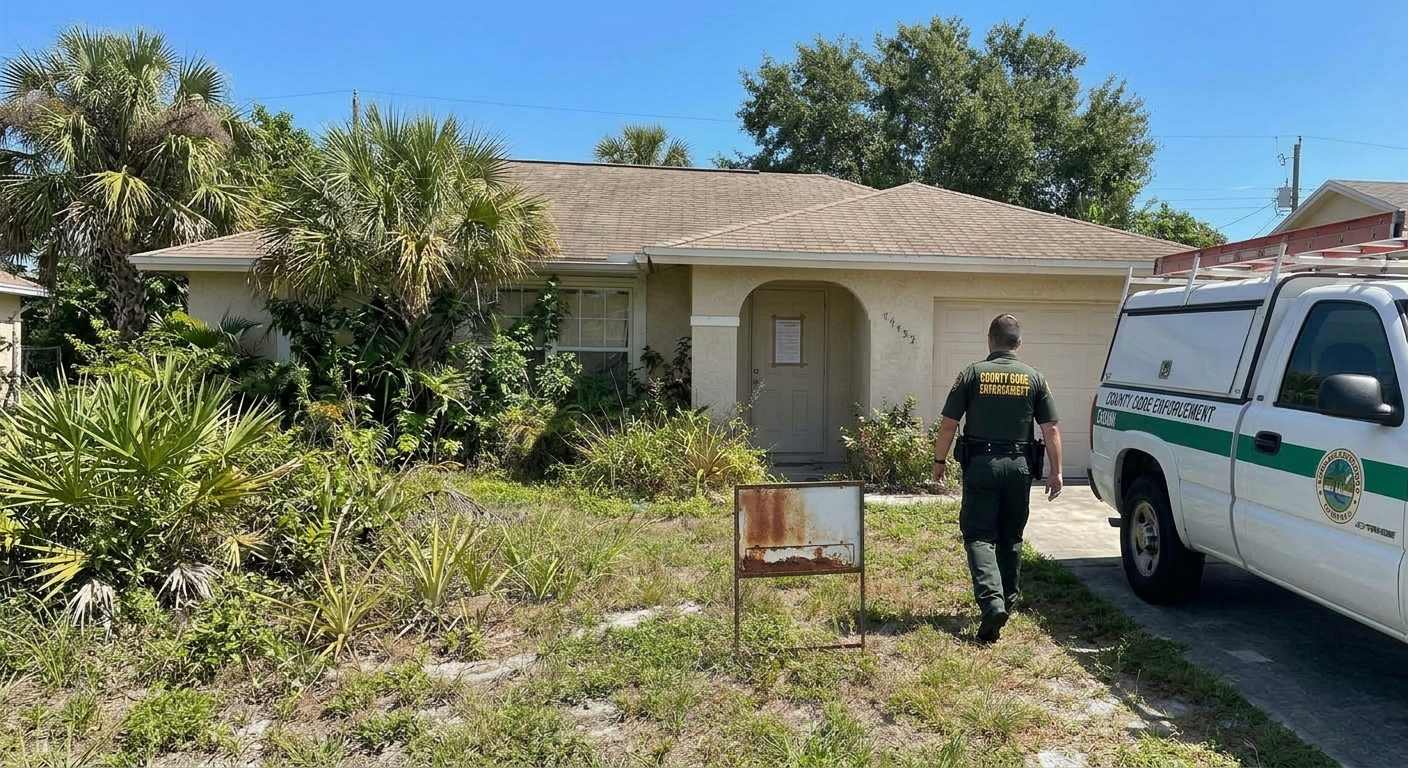
Most property owners don't think property code violations are a big deal. They assume it's just a nuisance letter or that the county won't follow through. But Palm Beach has resources, staff, and a clear legal process to back up enforcement. They will follow through, and they don't need your cooperation to do it.
Here's where we see owners trip up most:
- Ignoring the first notice and hoping it goes away
- Underestimating how fast fines accumulate
- Assuming they can negotiate after a lien is already filed
- Mixing up county timelines and missing critical deadlines
- Failing to document repairs or communicate with enforcement
Every one of those mistakes costs money. And in most cases, they're completely avoidable.
Don't Let a Fixable Problem Become a Legal Mess
Code violations aren't income. They're not debt in the traditional sense. But they carry consequences that feel a lot like both when they turn into liens. The county doesn't care how long you've owned the property or how much you've invested in it. They care about compliance, and they have the tools to enforce it.
At Code Pro PB, we work with property owners facing common code violations in Palm Beach County and help them navigate property lien removal processes. We've helped thousands of property owners resolve compliance issues quickly when timing matters, and we understand what's at stake when property liens in Palm Beach and enforcement actions start piling up.
Need Help Resolving Code Violations or Property Liens?
If you're facing a lien or need assistance to bring a property back into compliance, we can help you explore fast, effective solutions with no confusion about what happens next. Contact us to speak with a compliance specialist or schedule a consultation to get started on resolving your property issues today.
Let's Protect Your Property Together
Dealing with code violations or property liens in Palm Beach can feel overwhelming, but you don't have to face it alone. We're here to help you safeguard your investment and move forward with confidence. If you're ready to take the next step, give us a call at 561-446-2929 or schedule a consultation and let’s work together to resolve your property concerns quickly and efficiently.
‹ Back
Recent Posts
-
Can a Palm Beach Code Violation Turn Into a Property Lien?
November 9, 2026
-
Are Code Violation Fines Adding Up on Your Palm Beach Property?
October 26, 2026
-
Can a Code Violation Hold Up Your Palm Beach Renovation?
October 12, 2026
-
Unpermitted Home Additions in Palm Beach and How to Fix Them
September 28, 2026
-
Real Estate Closing Delays Caused by Permit Issues in Palm Beach
September 14, 2026