
Unpermitted Home Additions in Palm Beach and How to Fix Them
Palm Beach homeowners love their properties. Most would do anything to protect value, maintain curb appeal, and keep their homes in line with county standards. But unpermitted additions show up everywhere—and most owners don't even know it until they're trying to sell or refinance. That's when the county steps in. That's when buyers walk. And that's when the paperwork starts piling up faster than anyone expected.
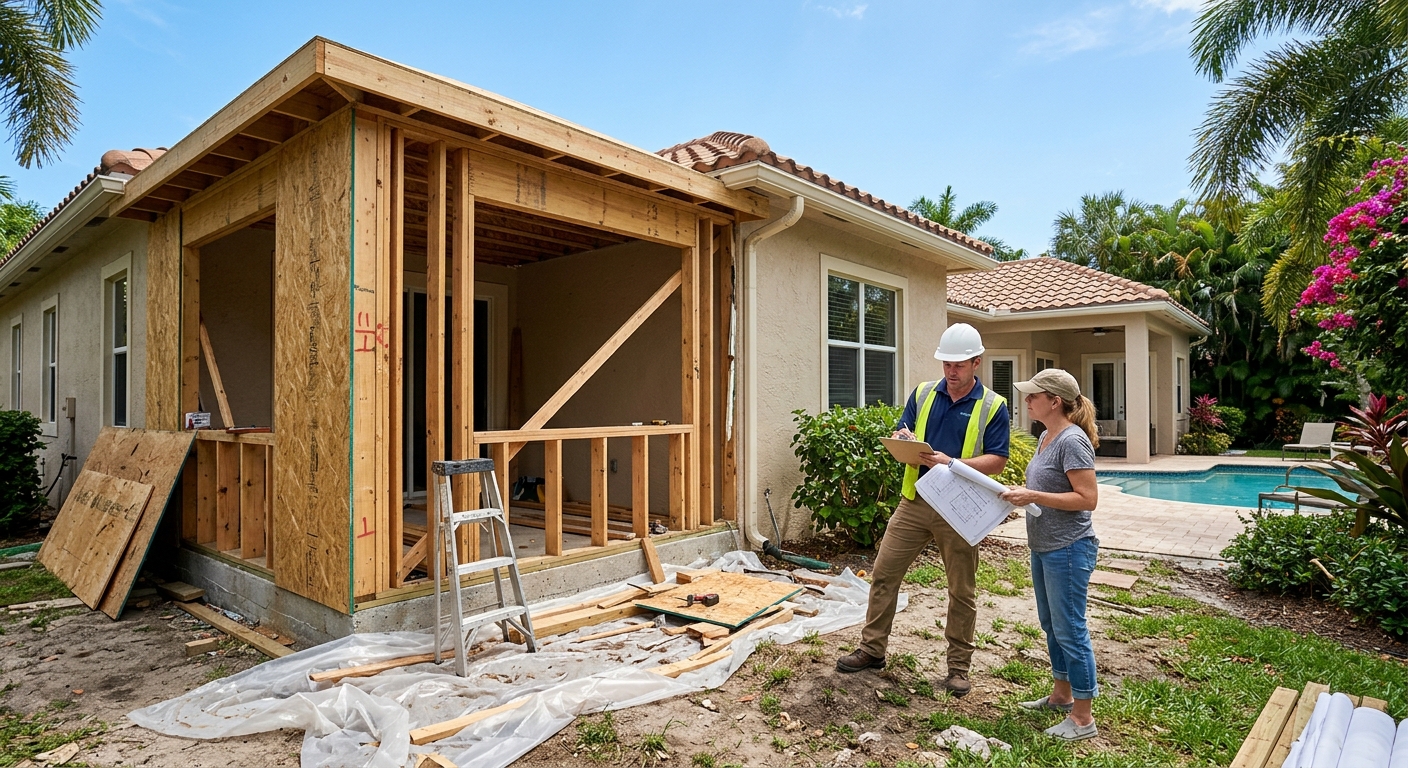
Additions aren't always obvious. Some look professional. Some were done by licensed contractors who just never pulled permits. Others were DIY projects that got out of hand. Either way, the lack of a permit doesn't disappear on its own. It sits in your title history. It shows up in inspections. And if you ignore it long enough, it becomes someone else's reason to walk away from your deal.
What Counts as Unpermitted Work
Palm Beach County has clear rules about what requires a permit. Most structural changes need approval from the building department before work even begins. That includes anything that alters the footprint of your home, changes the plumbing or electrical systems, or modifies load-bearing walls. Even cosmetic projects can trigger permit requirements if they involve systems work behind the scenes.
Here's what typically requires a permit in Palm Beach:
- Adding square footage to your home
- Converting a garage into living space
- Building or enclosing a patio or lanai
- Installing a new deck or porch
- Running new plumbing or electrical lines
- Replacing windows or doors in certain cases
- Constructing sheds or accessory structures over a certain size
Why Owners Skip the Permit Process
We've seen it a hundred times. Someone wants to finish a project quickly. They hire a contractor who says permits will slow things down. Or they assume the work is small enough to fly under the radar. Sometimes it's a previous owner who made the changes decades ago, and the current homeowner inherited the problem without knowing it.
The reasons vary, but the outcome is the same. Once the work is done without a permit, it becomes an issue that won't resolve itself. The county doesn't forget. Buyers don't ignore it. And lenders won't fund a deal when the title search reveals unpermitted construction.
The Consequences Add Up Fast
Unpermitted work doesn't just sit quietly in the background. It creates real problems that can derail sales, reduce property value, and even put you at risk legally. The county can impose fines. Insurance companies can deny claims. And if something goes wrong structurally, you're on the hook for repairs and liability.
Here's what unpermitted additions can trigger:
- Fines from the building department that compound over time
- Orders to remove or demolish the unpermitted structure
- Denial of homeowner's insurance claims related to the addition
- Complications during real estate transactions that delay or kill deals
- Liability exposure if the unpermitted work causes injury or damage
Legalizing the Addition After the Fact
Getting an unpermitted addition approved retroactively isn't simple, but it's doable. The county offers a process for homeowners who want to bring their properties into compliance. It's called an after-the-fact permit, and it requires documentation, inspections, and sometimes corrective work to meet current code standards.
Start by contacting the Palm Beach County Building Division. They'll walk you through what's required based on the scope of your addition. You'll need to provide plans, hire licensed professionals, and schedule inspections. If the work doesn't meet current codes, you'll have to make updates before final approval. It's not cheap, but it's better than the alternative.
Steps to Fix Unpermitted Work
We recommend tackling this head-on rather than hoping it goes unnoticed. Buyers will find it. Inspectors will flag it. And the longer you wait, the more complicated it becomes. Here's how to move forward with confidence and get your property back on solid ground.
- Gather all records related to the addition, including receipts and contractor info
- Contact the building department to discuss your situation and get guidance
- Hire a licensed contractor or engineer to assess the work and prepare plans
- Submit an application for an after-the-fact permit with supporting documentation
- Schedule required inspections and address any code violations flagged by inspectors
- Complete any necessary repairs or upgrades to bring the addition up to code
- Obtain final approval and keep all documentation for future transactions
When Code Updates Complicate Things
Building codes change. What was acceptable ten years ago might not meet today's standards. When you apply for an after-the-fact permit, the county evaluates your addition based on current codes—not the ones in place when the work was originally done. That means you could be required to upgrade electrical systems, add egress windows, or reinforce structural elements even if the original work was solid.
This is where costs can escalate. Budget for more than just the permit fees. Factor in engineering reviews, material upgrades, and labor for any corrective work. It's frustrating, but it's also the only way to protect your investment long-term.
How This Impacts Your Sale
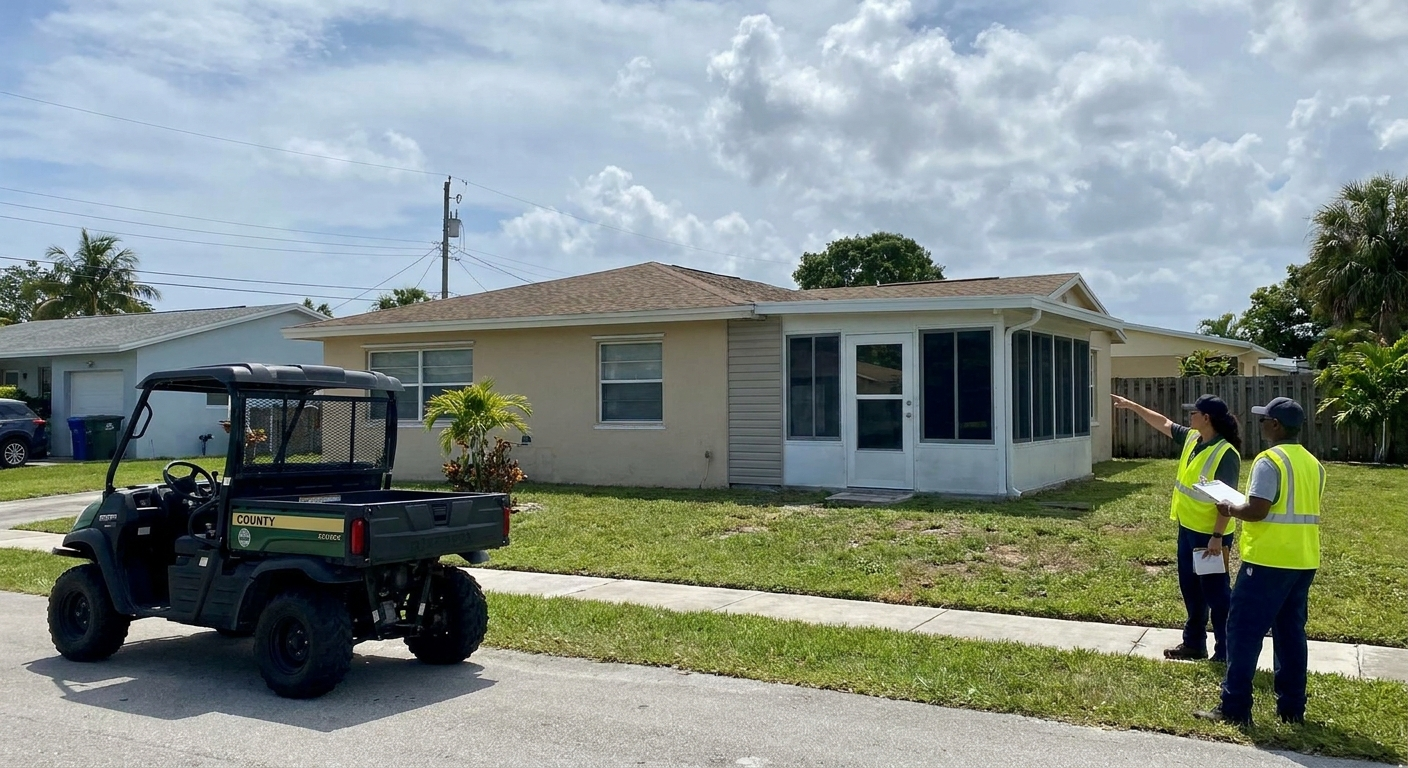
Unpermitted additions kill deals. Buyers get nervous. Lenders refuse to finance. And title companies flag the issue before closing. If you're planning to sell, address unpermitted work before listing. It's not something you can gloss over in disclosures or hope a buyer overlooks. They won't.
Here's what happens during a transaction when unpermitted work surfaces:
- The buyer's inspector flags the addition and notifies all parties
- The lender requires proof that the work is permitted and code-compliant
- The title company may refuse to insure the property until the issue is resolved
- The buyer either demands a price reduction or walks away from the deal
- Your listing sits on the market longer, raising red flags for future buyers
Working With Licensed Professionals
Don't try to navigate the permit process alone. Licensed contractors, architects, and engineers know the system. They understand what the county requires and how to present your case in a way that gets approved. They also know when corrective work is negotiable and when it's mandatory.
Look for professionals with experience in Palm Beach County contractor permit services specifically. Local knowledge matters. Code enforcement varies by jurisdiction, and what flies in one county might not work here. Ask for references. Verify licenses. And make sure they're willing to stand behind their work through the inspection process.
Avoiding Future Permit Problems
Once you've fixed the unpermitted addition, don't repeat the mistake. Always pull construction building permits before starting new projects. It's easier to do it right the first time than to backtrack later. And if a contractor tells you permits aren't necessary, get a second opinion—or find a different contractor.
Stay involved in the process. Request copies of all permits and inspection reports. Keep them in a file with your property records. When it's time to sell, you'll have everything a buyer or lender might ask for. No surprises. No delays.
Protecting Your Investment From Day One
Unpermitted additions aren't a minor inconvenience. They're a threat to your property's value, your ability to sell, and your financial security. Fixing them takes time and money, but ignoring them costs more. We've seen too many deals collapse because a seller assumed unpermitted work wouldn't matter. It does. Every time. Address it now with code violations after unpermitted work guidance, protect your equity through property code violation assistance, and move forward with a clean title by utilizing building permit expediting services and a home that meets every standard the county throws at it.
Let's Resolve Your Permit Issues Together
Unpermitted additions don't have to stand in the way of your plans or your peace of mind. We're here to help you navigate the process, protect your investment, and make sure your Palm Beach home is fully compliant. If you're ready to take the next step, give us a call at 561-446-2929 or schedule a consultation and let's get your property back on track.
‹ Back
Recent Posts
-
Unpermitted Home Additions in Palm Beach and How to Fix Them
September 28, 2026
-
Real Estate Closing Delays Caused by Permit Issues in Palm Beach
September 14, 2026
-
What Should You Do About a Stop Work Order in Palm Beach?
August 31, 2026
-
How Long Does It Take to Get a Building Permit in Palm Beach?
August 17, 2026
-
Do You Need a Permit for a Shed in Palm Beach County?
August 3, 2026