How Code Citations Can Delay Real Estate Closings in Palm Beach County
Most buyers think closings are just about paperwork and wire transfers. Sign here, initial there, hand over the keys. But Palm Beach County has a way of throwing wrenches into that timeline — and code citations are one of the biggest. These violations may seem like minor administrative hiccups, but they leave a mark on the title. Especially when property liens pile up or repairs drag on for weeks.
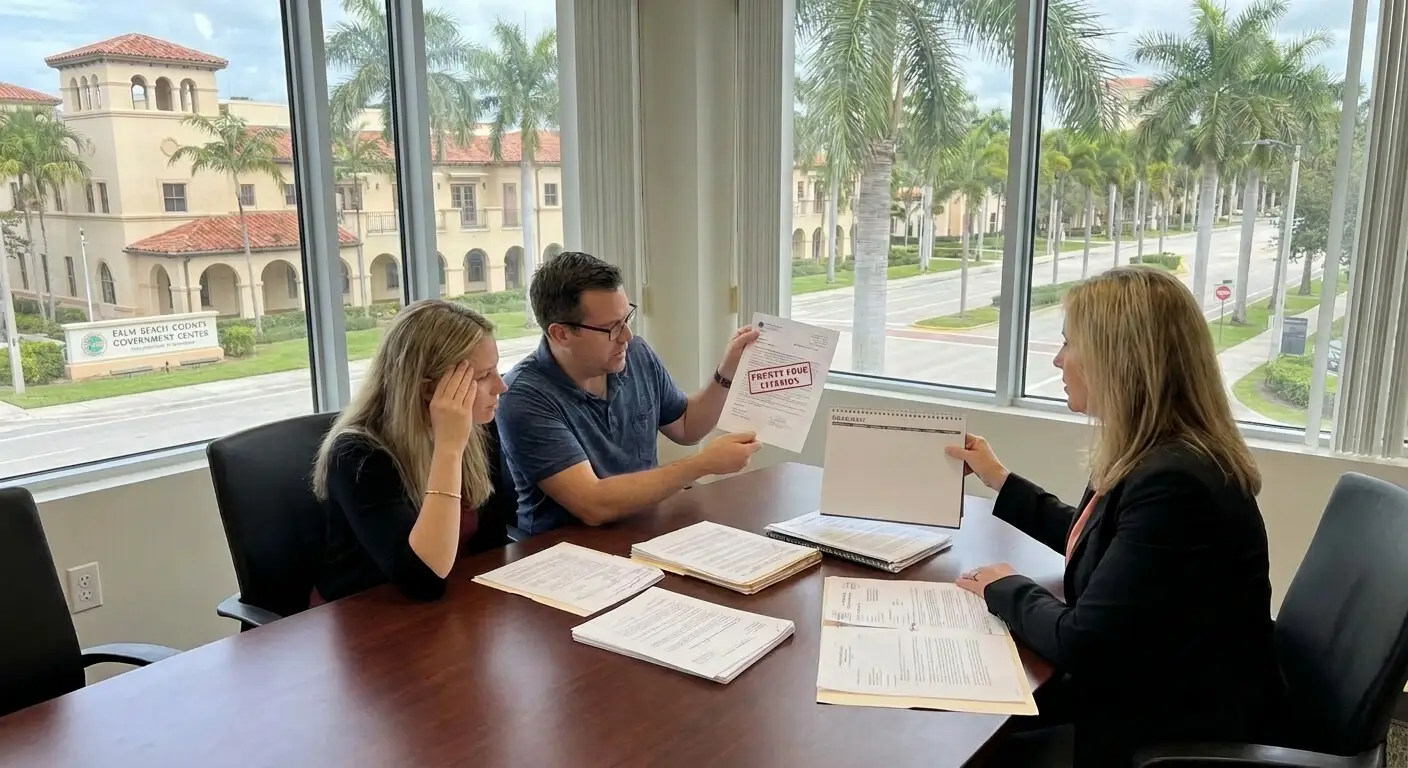
So here's the reality. If you're buying or selling property in this county, you need to know what's lurking in the municipal records. Every citation should be flagged early. Every violation needs resolution. And every closing decision should be grounded in what the property actually looks like under the code — not just what it looks like on the listing photos.
When a Violation Isn't Just a Warning
Nine times out of ten, code citations don't just disappear. You get notified, you're given a deadline, and if you ignore it, the county starts stacking fines. That's not income, but it is debt — and it attaches to the property, not the person. The county doesn't care who owns it now, only that the violation gets fixed and the fines get paid.
But if that citation turns into a lien? Different story. Liens show up on title searches, and title companies won't issue insurance until they're cleared. We've seen this play out in real time with unpermitted additions and overgrown lots. Plenty of sellers thought the buyer would just deal with it — they won't. And when liens get flagged, the closing gets pushed until someone writes a check or pulls a permit.
The Violations That Slow Everything Down
Not all code citations are created equal. Some are quick fixes. Others require contractors, inspections, and weeks of back-and-forth with the county. The ones that cause the most delays are the ones that involve structural work or unpermitted changes.
Here's where that matters most:
- Unpermitted construction like added rooms, decks, or garages that were never approved by the county
- Zoning violations such as running a business out of a residential property without proper permits
- Property maintenance issues including overgrown landscaping, broken fences, or peeling paint that violate local standards
- Pool and spa violations like missing barriers, broken equipment, or failure to maintain water quality
- Illegal rentals or short-term vacation rentals operating without the required licenses or in restricted zones
Title Companies Won't Budge Until It's Clean
Want to close on time? You'll need a clear title — and that means no outstanding liens or unresolved citations. The title company has three main checkpoints before they'll issue insurance:
- All municipal liens must be paid in full or formally released
- All open code violations must be resolved and documented with proof of compliance
- All required inspections must be completed and signed off by the county
Fail one of those, and the closing falls apart. Even if the buyer's financing is locked in and the seller is ready to move. And if any of the violations involve safety issues? That portion's off the table until it's fixed. No partial closings for a house with an unpermitted electrical panel, even if the rest of the property is spotless.
Lenders Have Standards Too
If the buyer is financing the purchase, the lender gets a say in what flies and what doesn't. Most banks won't fund a mortgage on a property with active code violations or liens. They see it as risk — and they're not wrong. If the county can foreclose over unpaid fines, the lender's collateral is at stake.
You'll need to resolve the issues before the loan can close. Most buyers won't cross that threshold on their own dime — but sellers who do need to move fast. Especially if they're already under contract and the clock is ticking.
Your Closing Timeline Is Only As Good As Your Records
Want to avoid delays? Show your work. You'll need more than a clean-looking property to back up your claims. Here's what your documentation should include:
- Copies of all permits for any work done on the property, including renovations and additions
- Proof of violation resolution such as signed inspection reports or compliance letters from the county
- Payment receipts for any fines or fees associated with code citations
- Evidence of ongoing maintenance like landscaping invoices or pool service records
If the title company comes knocking, they won't just take your word for it. Mixing personal assumptions with actual compliance is one of the fastest ways to lose a closing date. So if that shed you built five years ago didn't have a building permit, you'd better get one retroactively or be ready to tear it down.
Where Most Sellers Slip Up
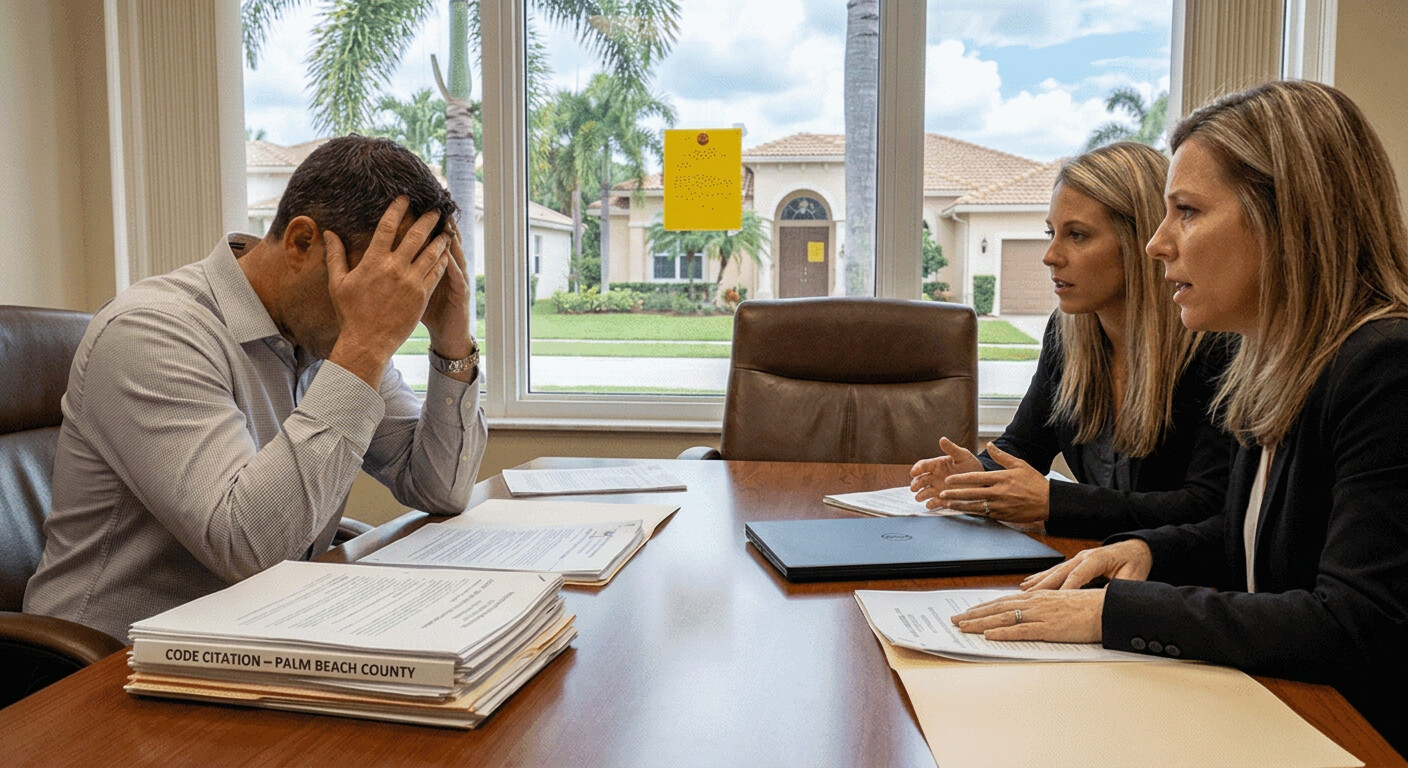
Trying to hide violations or hope they don't come up in the title search? The county won't find that clever. Sloppy record-keeping can cost you real money or even kill the deal. Most sellers play it safe by ordering a municipal lien search early and addressing issues before listing.
Don't wait until the buyer's attorney flags a problem to start making calls. If you miss citations, you're giving leverage away. If you ignore them, you risk the deal falling through. Run a lien search before you list. It's tedious. It works.
Buyers Need to Do Their Homework Too
If you're buying in Palm Beach County, don't assume the seller has everything buttoned up. Code violations can hide in plain sight, especially on older properties or homes that have changed hands multiple times. A standard home inspection won't catch zoning issues or unpermitted work.
Here's what smart buyers do:
- Order a municipal lien search as part of due diligence to uncover any outstanding citations or fines
- Hire inspectors who know local codes and can spot unpermitted work or potential violations
- Review the property's permit history with the county to confirm all major work was done legally
- Negotiate repairs or credits upfront if violations are discovered, rather than scrambling at closing
- Work with a real estate attorney familiar with Palm Beach County regulations to navigate any legal complications
When to Call In a Pro
If your transaction involves older properties, unpermitted additions, or any history of code enforcement action, you're in territory where DIY gets risky. A real estate attorney or experienced agent helps you identify which violations are deal-breakers and which can be resolved quickly, apply pressure to get county inspections scheduled faster, separate seller responsibilities from buyer concessions cleanly, and keep the closing on track even when surprises pop up.
It's not just about getting to the closing table this month. It's about setting up a clean transaction that protects everyone involved and doesn't blow up three days before funding.
Closings That Don't Fall Apart
Buying or selling property isn't the hard part. Navigating the county's code violation assistance maze — and doing it fast enough to hit your closing date — that's where deals get derailed. There's no excuse for skipping the lien search when the information is public record. But there's also no mercy when you blow past deadlines because a violation wasn't caught early. Run your searches, fix what's broken, and document every step. That's how closings happen on time in Palm Beach County.
Let's Make Your Closing Smooth
We know how stressful it can be when code citations threaten to delay your real estate closing. Let’s work together to clear up any issues before they become roadblocks. If you want peace of mind and a closing that stays on schedule, give us a call at 561-446-2929 or schedule a consultation with our team today. We’re ready to help you move forward with confidence.
‹ Back
Recent Posts
-
Unpermitted Home Additions in Palm Beach and How to Fix Them
September 28, 2026
-
Real Estate Closing Delays Caused by Permit Issues in Palm Beach
September 14, 2026
-
What Should You Do About a Stop Work Order in Palm Beach?
August 31, 2026
-
How Long Does It Take to Get a Building Permit in Palm Beach?
August 17, 2026
-
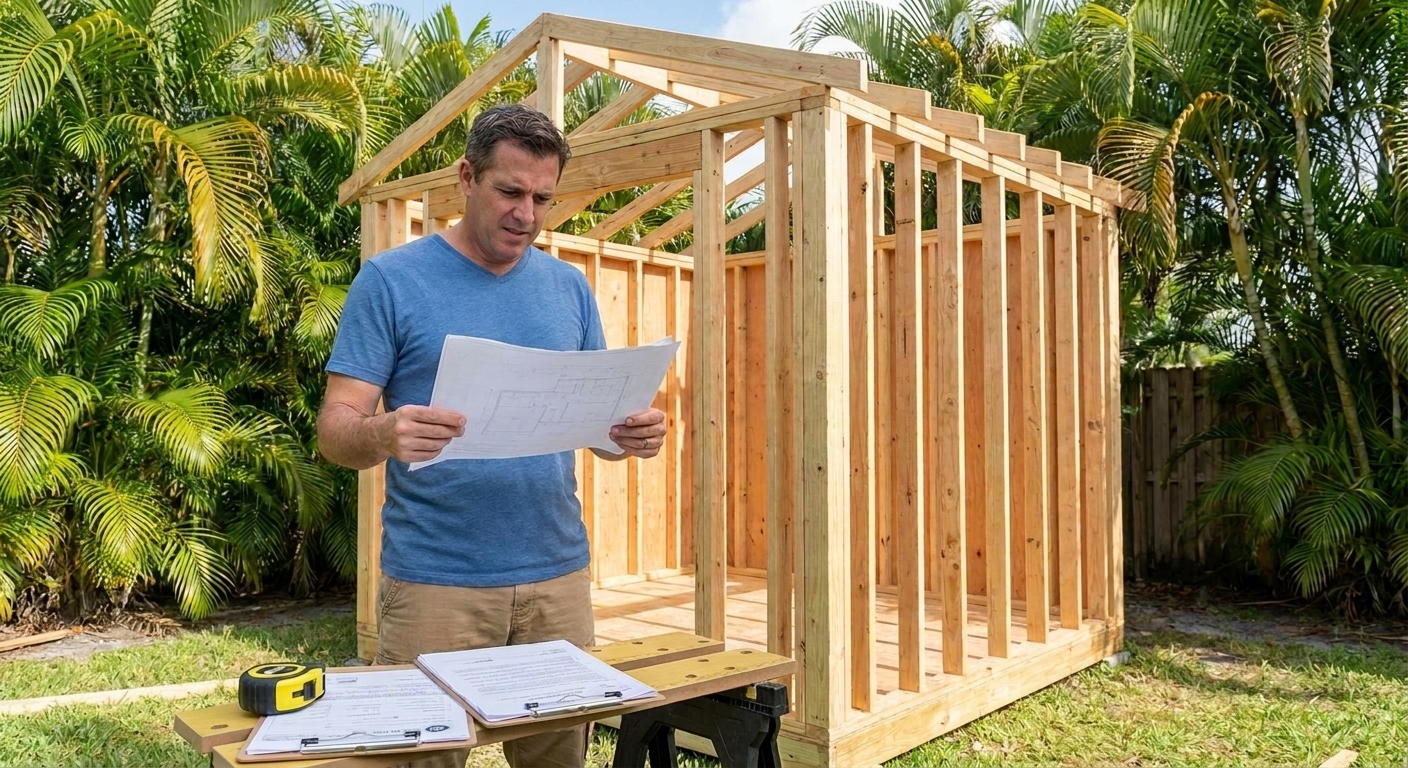
Do You Need a Permit for a Shed in Palm Beach County?
August 3, 2026