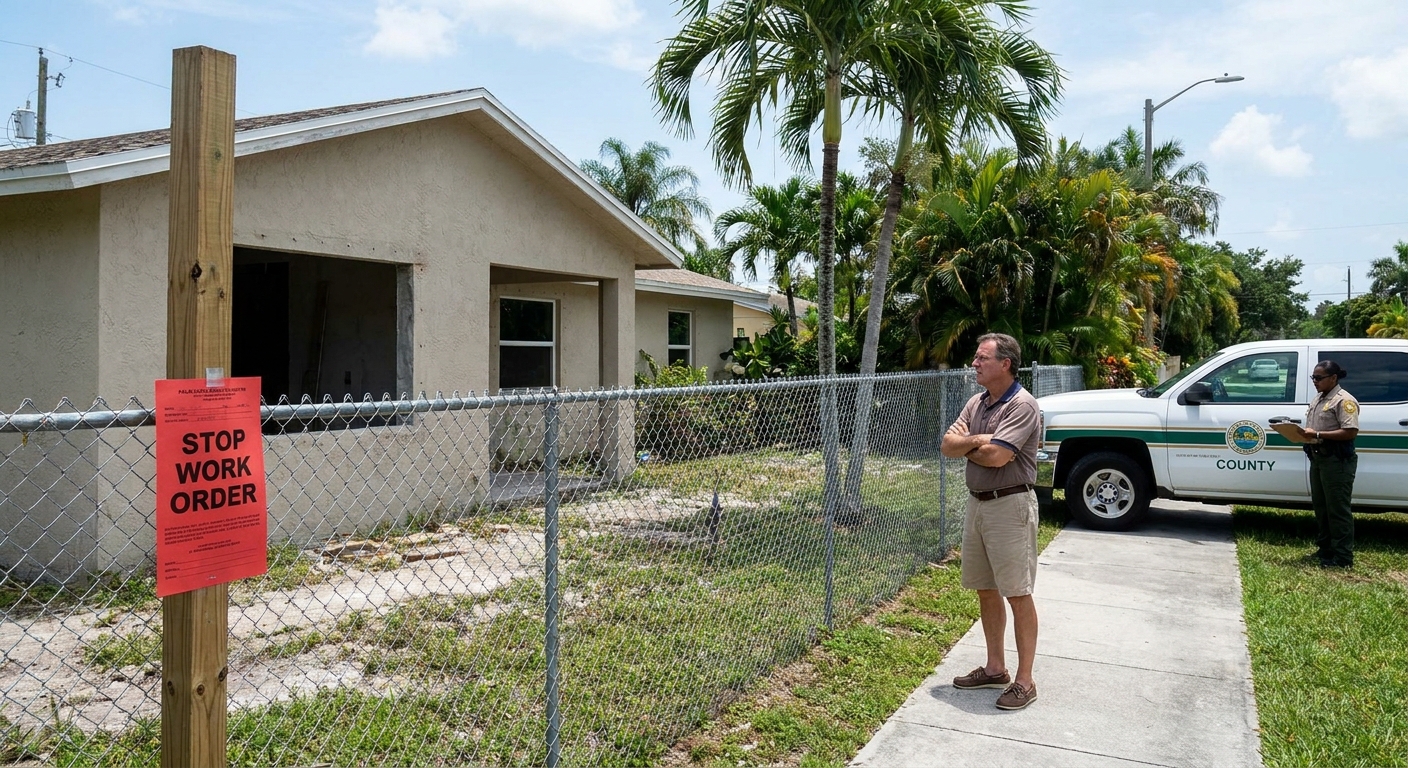

Dealing With Unpermitted Home Additions & Active Code Citations in Palm Beach County
Most homeowners think unpermitted work is just a paperwork problem. A missing signature here, a skipped inspection there. But Palm Beach County sees more than that — and if you don't, you're asking for trouble. Unpermitted additions may not show up on your tax bill, but they do leave a footprint on your property record. Especially if you're selling or facing an active code citation.
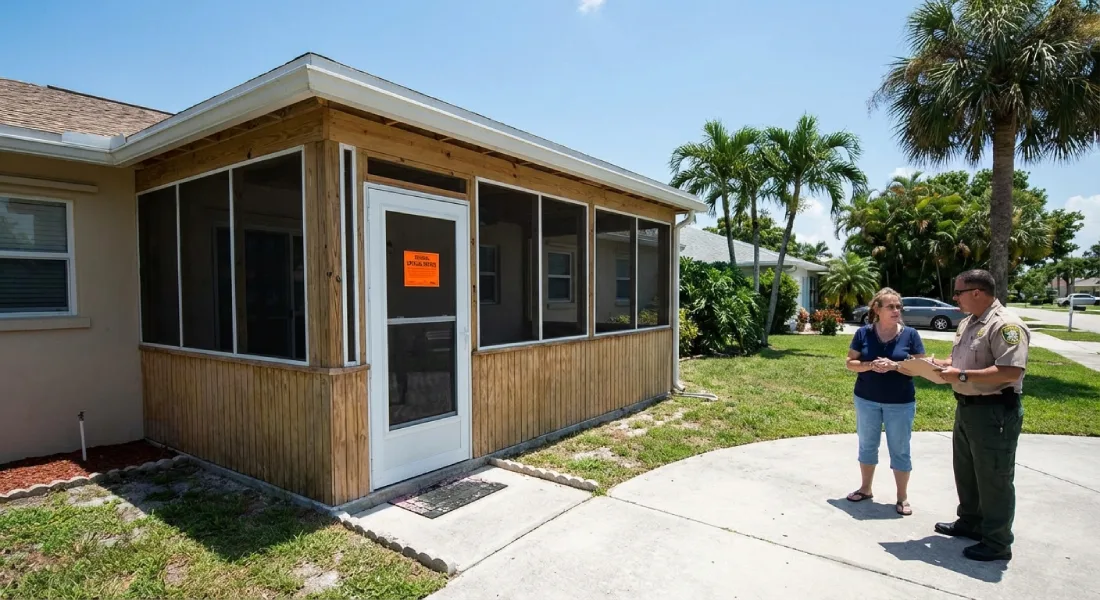
So here's the deal. If you've built something real — a room, a deck, a garage conversion — that's great. Just don't treat those improvements like they exist in a vacuum. Every addition should have a paper trail. Every citation needs a response. And every compliance decision should be grounded in what the county requires — not just what looked good at the time.
When an Addition Becomes a Liability
Nine times out of ten, unpermitted work doesn't get flagged until you try to sell. You list the house, the buyer orders an appraisal, and suddenly the county's asking questions. That extra bedroom? No permit. The enclosed patio? Never inspected. The electrical panel upgrade? Not on file.
Palm Beach County doesn't care how long ago the work was done or who did it. They care whether it meets code and whether it was approved. And when a citation gets issued, the clock starts ticking. Fines can stack up daily, and unresolved violations can tank a sale faster than a bad roof inspection.
What Code Enforcement Actually Looks For
Code citations aren't random. The county has specific triggers that put properties on their radar. Maybe a neighbor complained. Maybe an inspector noticed something during a routine visit. Maybe you applied for a new permit and they pulled your history.
Here's what gets flagged most often:
- Room additions without permits or final inspections
- Garage conversions that violate setback or zoning rules
- Electrical or plumbing work done without licensed contractors
- Structures that encroach on easements or property lines
- Decks, sheds, or fences built without approval
After the Fact Permits Exist for a Reason
You can't write off unpermitted work as a lost cause. Palm Beach County allows retroactive permitting — they call it "after-the-fact" — and it's designed to bring non-compliant structures into the system. You'll pay more than you would have upfront, but it's better than demolition or a property lien on your property.
Here's what that process typically involves:
- Hiring a licensed contractor or engineer to assess the work
- Submitting detailed plans that show the addition meets current code
- Paying permit fees plus penalties for the delay
- Scheduling inspections to verify compliance
- Making corrections if the work doesn't pass
Citations Don't Go Away on Their Own
Want to clear a code violation? You'll need to prove the issue is resolved — and that you followed the county's process. Ignoring a citation doesn't make it disappear. It makes it worse.
The county has three main checkpoints when reviewing compliance:
- You responded to the citation within the deadline
- You obtained the necessary permits or approvals
- You passed all required inspections and received final sign-off
Fail one of those, and the fines keep piling up. Even if the work itself is solid. And if any of the addition violates setback rules or zoning restrictions? That portion may need to be removed entirely. No partial fixes for a room that's three feet over the property line.
Documentation Saves You Every Time
Want to prove your addition is legit? Show your work. You'll need more than a contractor's business card and a few photos to back up your claims.
Here's what your file should include:
- Original permit applications and approval notices
- Inspection records showing sign-offs at each stage
- Contractor licenses and insurance certificates
- As-built drawings that match what was actually constructed
- Receipts and invoices tied to the project
If the county comes knocking, they won't just take your word for it. Mixing permitted and unpermitted work is one of the fastest ways to lose credibility. So if that addition includes both approved framing and unapproved electrical, you'd better have records that separate the two.
Where Most Homeowners Stumble
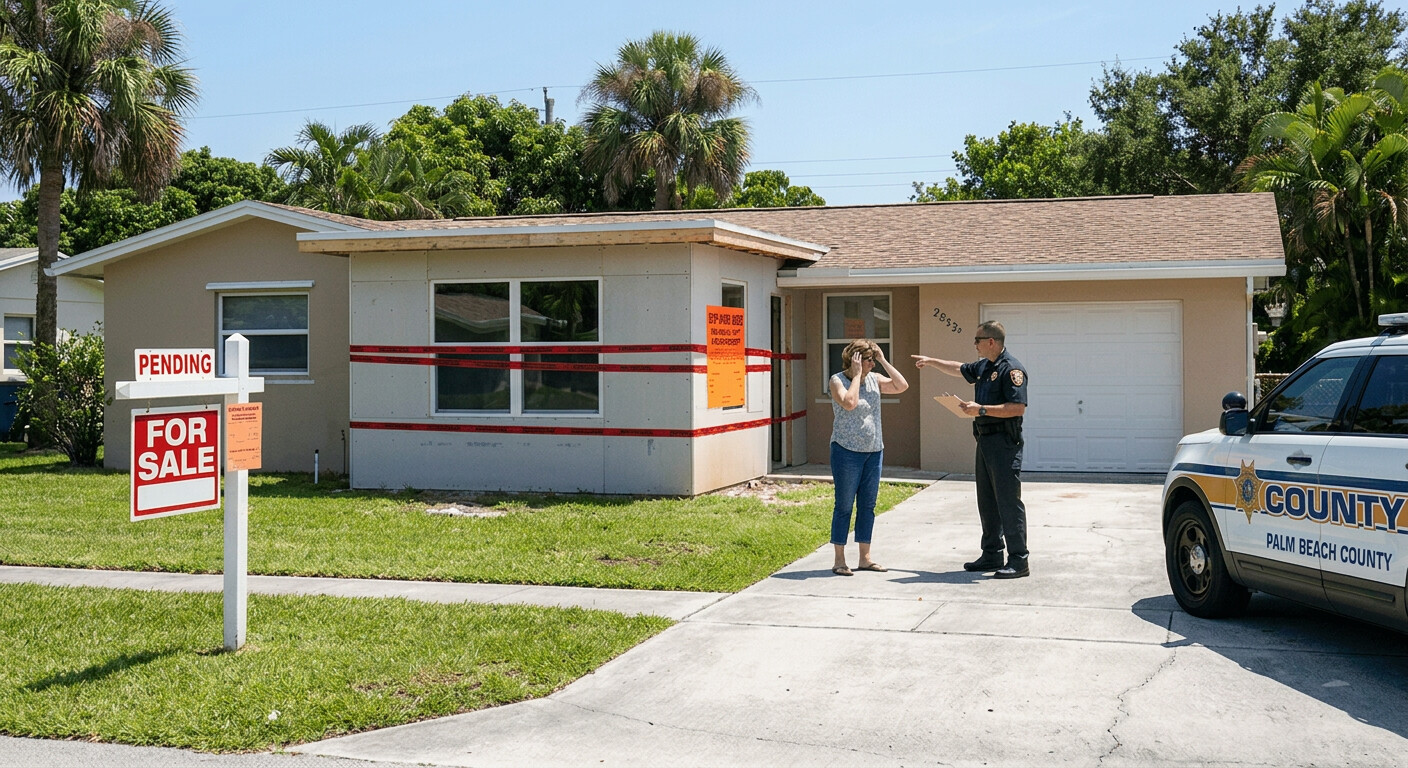
Trying to sell a house with open citations? The title company won't clear it. Hoping the buyer won't notice? The appraiser will. Most homeowners avoid these headaches by addressing violations early — and plenty stay on track by working with permit expediters or real estate attorneys who know Palm Beach County's system inside out.
Don't wait until closing to dig up permit histories and sort compliant work from risky shortcuts. If you miss violations, you're handing leverage to the buyer. If you misrepresent the property, you risk legal exposure. Handle citations as soon as they're issued. It's tedious. It works.
Selling With Unresolved Issues Gets Messy
If you received a code citation or discovered unpermitted work during your listing prep, that's a red flag area. If you didn't resolve it before going under contract — or just didn't disclose it properly — the buyer may walk or demand a price reduction. Reference Palm Beach County's Code Enforcement database and don't guess. That's what real estate professionals are for.
When to Bring In Help
If your property includes multiple unpermitted additions, active citations, or anything that touches zoning or setback rules, you're in territory where DIY gets risky. We recommend working with professionals who can identify which work needs permits and which doesn't, apply after-the-fact permits correctly if you're behind on compliance, separate compliant structures from violations cleanly, handle code violation assistance and county negotiations, and keep your sale or refinance on track.
It's not just about clearing a violation this year. It's about setting up clean records that keep your property marketable and compliant for the long haul.
Compliance Moves With a Paper Trail
Building an addition isn't the hard part. Proving it was done right — and defending it when the county asks questions — that's where homeowners get caught off guard. There's no excuse for sloppiness when the permits are there for the taking. But there's also no forgiveness when you blow past the rules. Taking on home renovations in Palm Beach without proper approvals may seem like a shortcut, but it creates long-term risk that no amount of good intentions can erase. Understanding common code violations in Palm Beach County can help you avoid these pitfalls from the start.
Let's Resolve Your Code Issues Together
Unpermitted additions and active code citations can feel overwhelming, but we know the ins and outs of Palm Beach County's requirements and can help you get back on track. Let's work together to clear up your property's record and protect your investment. Give us a call at 561-446-229 or schedule a consultation so we can help you move forward with confidence.
‹ Back
Recent Posts
-
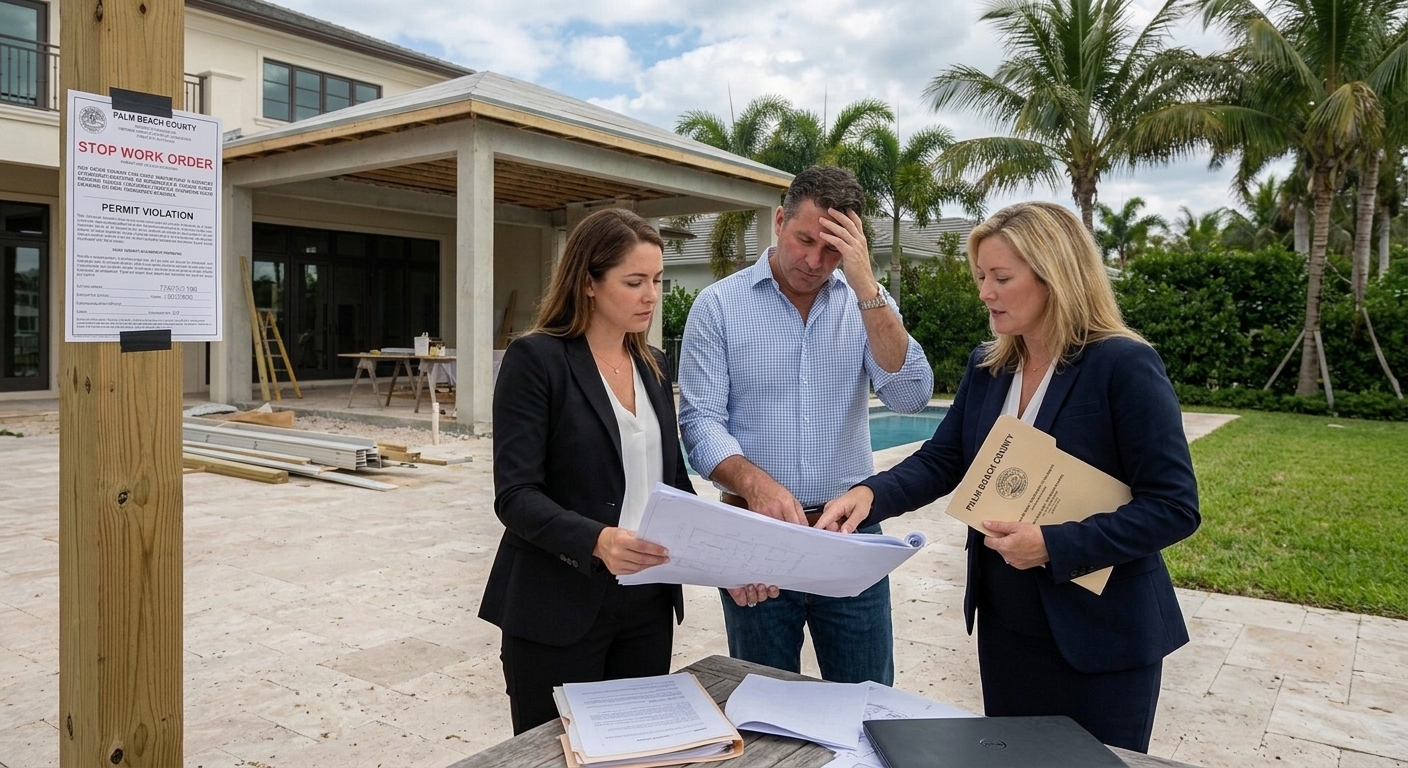
Real Estate Closing Delays Caused by Permit Issues in Palm Beach
September 14, 2026
-
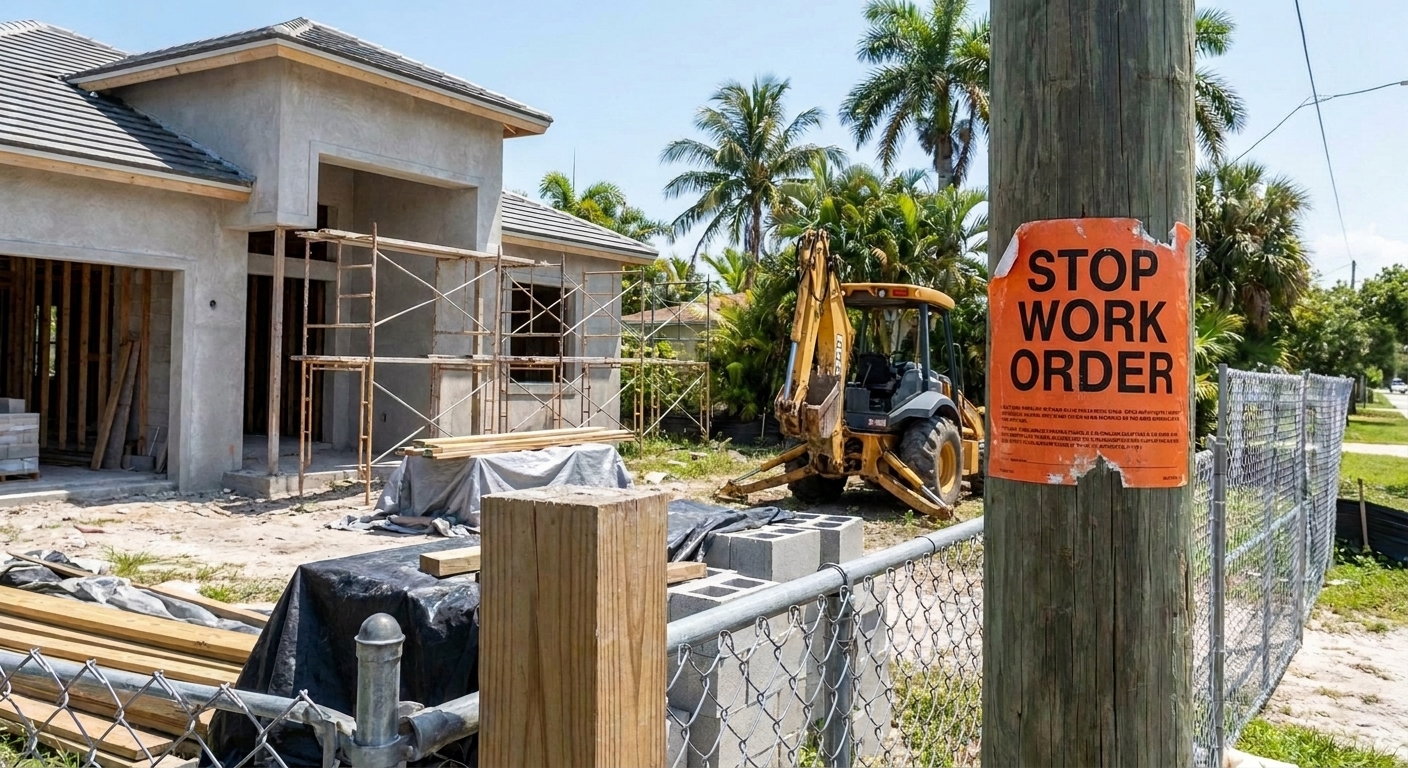
What Should You Do About a Stop Work Order in Palm Beach?
August 31, 2026
-
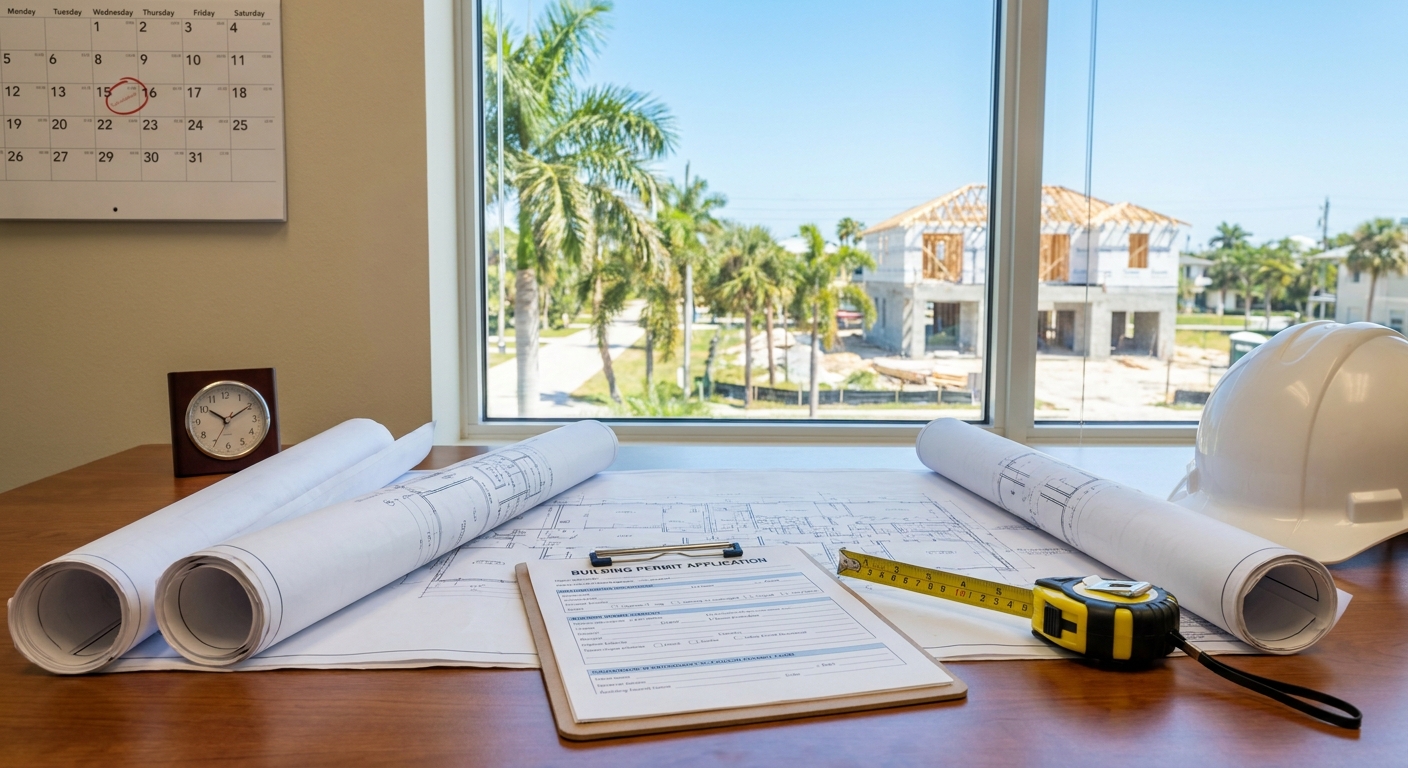
How Long Does It Take to Get a Building Permit in Palm Beach?
August 17, 2026
-
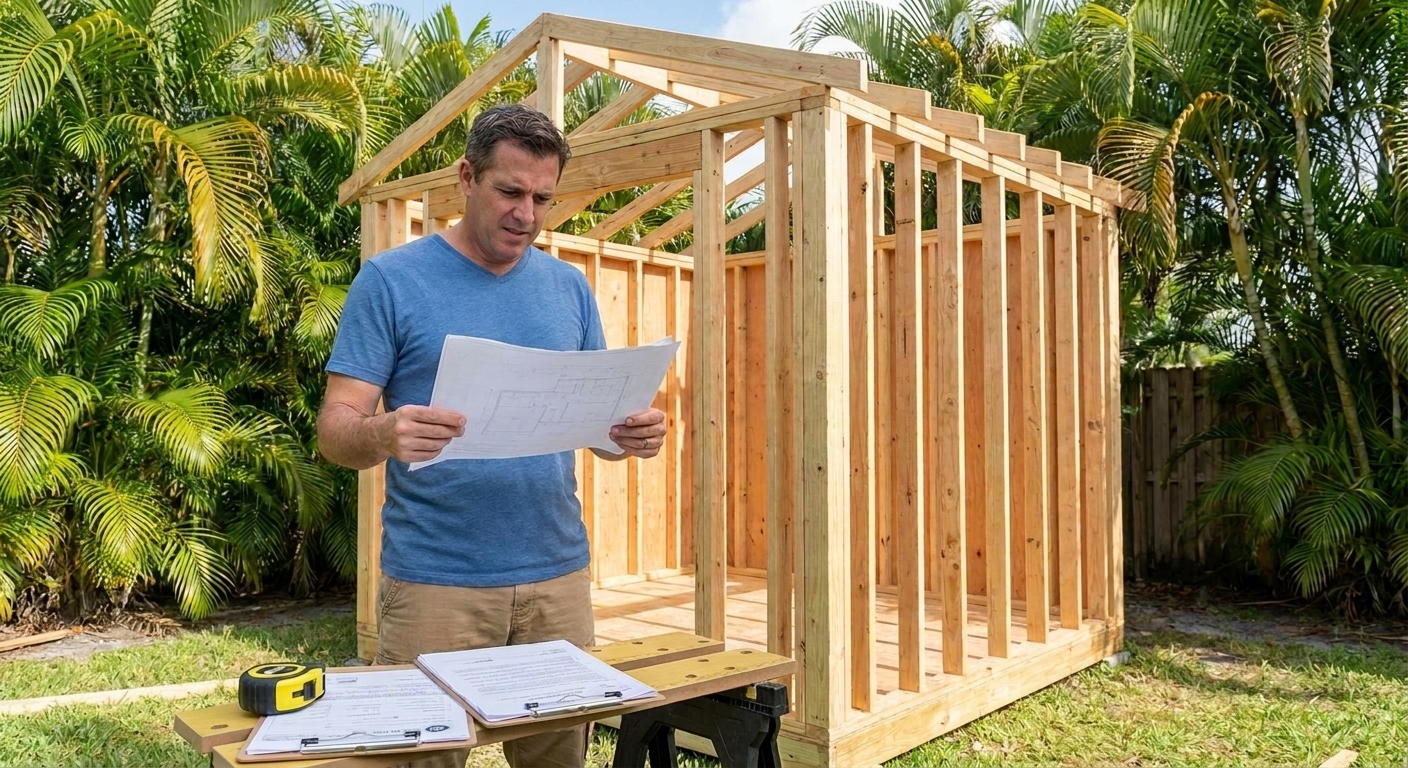
Do You Need a Permit for a Shed in Palm Beach County?
August 3, 2026
-