Built Without a Permit in Palm Beach County? What to Do After a Notice of Violation
Most property owners think permits are just red tape. Bureaucratic hassle. But Palm Beach County sees it differently — and if you don't, you're setting yourself up for a world of hurt. That notice of violation sitting on your desk isn't a suggestion. It's a countdown. And every day you wait makes the problem bigger, the fines steeper, and the path to compliance messier.
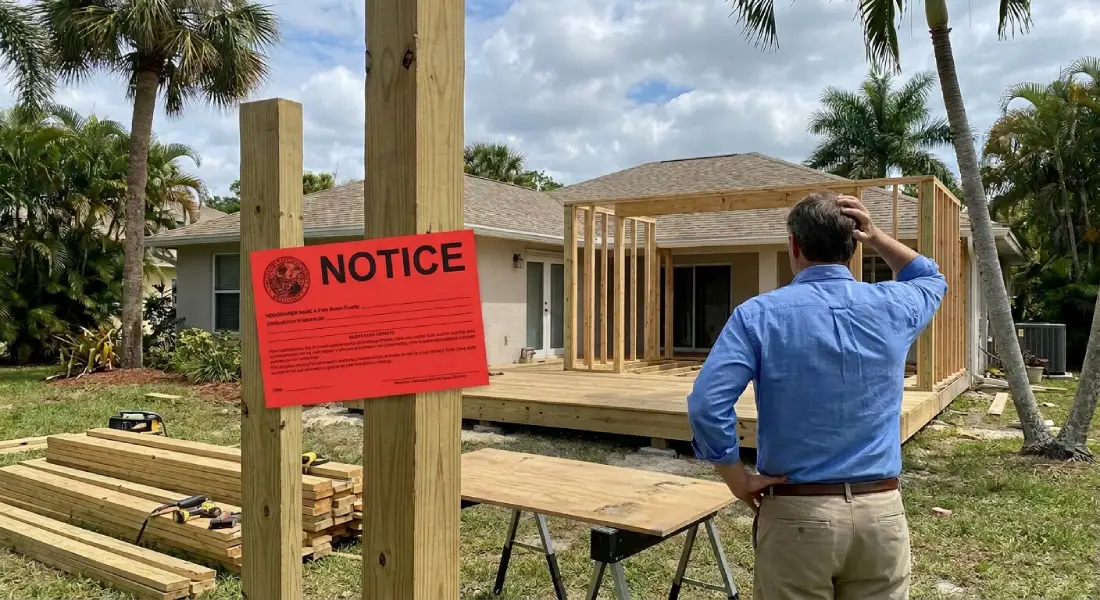
So here's what matters. If you built something without pulling the right paperwork, that's on you. But it's fixable — if you move fast, document everything, and stop pretending the county will forget about it. Every violation leaves a trail. Every delay adds cost. And every decision you make now determines whether this gets resolved quietly or turns into a lien on your property.
The County Doesn't Issue Warnings for Fun
Palm Beach County's Code Enforcement Division doesn't send notices because they're bored. They send them because someone reported unpermitted work, or an inspector spotted it during a routine check, or your neighbor got tired of watching you build a second story without approval. Whatever triggered it, the notice is official. It lists the violation, cites the code you broke, and gives you a deadline to fix it.
Ignore that deadline and you're not just risking fines. You're risking liens, legal action, and a permanent black mark on your property records. The county has teeth, and they use them when owners drag their feet. This isn't a negotiation. It's a compliance issue, and the clock is already running.
What the Notice Actually Tells You
That document isn't written in plain English, but it's not gibberish either. It breaks down what you did wrong, which ordinance you violated, and what the county expects you to do next. Read it twice. Highlight the deadlines. Note the specific work that's flagged — whether it's a room addition, a fence, a deck, or electrical upgrades.
If anything's unclear, call the issuing department. Don't guess. Don't assume. And don't let pride keep you from asking questions. The county would rather clarify now than deal with your confusion later.
Stop Building Immediately
Still hammering away? Stop. Right now. Continuing unpermitted work after receiving a notice is like speeding past a cop who already pulled you over. It shows disregard, it compounds the violation, and it gives the county every reason to escalate penalties.
Halting work signals cooperation. It buys you goodwill. And it keeps you from digging a deeper hole while you figure out how to climb out of the one you're already in.
Paper Trails Save You
Start gathering every scrap of documentation related to the project. Contracts with builders, receipts for materials, emails with contractors, sketches, photos — all of it. You'll need this when you apply for after-the-fact permits, and you'll need it if the county questions what was done, when, and by whom.
No documentation? That's a problem. But it's not insurmountable. Start creating a record now. Take photos of the current state of the work. Write down timelines. Get statements from contractors if they're still around. The more you can show, the easier it is to prove your case and move forward.
Bring in Someone Who Knows the System
Palm Beach County's construction building permits process isn't designed for amateurs. Codes are dense. Requirements shift depending on the type of work. And one misstep can delay approval for weeks. That's why smart property owners hire professionals — licensed contractors, architects, or permit expediters who've done this before.
These pros know what the county wants to see. They know how to package your application so it doesn't get kicked back. And they know how to navigate inspections without triggering new red flags. Yes, it costs money. But so does doing it wrong twice.
After-the-Fact Permits Exist for a Reason
Palm Beach County allows you to legalize unpermitted work through after-the-fact permits. This isn't a loophole — it's a formal process with higher fees, stricter scrutiny, and mandatory inspections. You'll submit plans, pay the penalty fees, and wait for the county to review everything.
If the work meets current codes, great. If it doesn't, you'll get a list of corrections. That might mean tearing out drywall to expose framing, upgrading electrical to modern standards, or adding structural supports. It's not fun. But it's the only way to clear the violation and protect your property value.
Inspections Aren't Optional
Once your permit application is approved, inspections follow. The county will send someone out to verify that the work complies with safety and zoning regulations. They'll check framing, electrical, plumbing, setbacks — whatever applies to your project.
Pass the inspection and you're one step closer to resolution. Fail it and you're back to making corrections. This can loop multiple times, so don't schedule inspections until you're confident the work is solid. Rushing it just wastes everyone's time.
Corrections Cost Time and Money
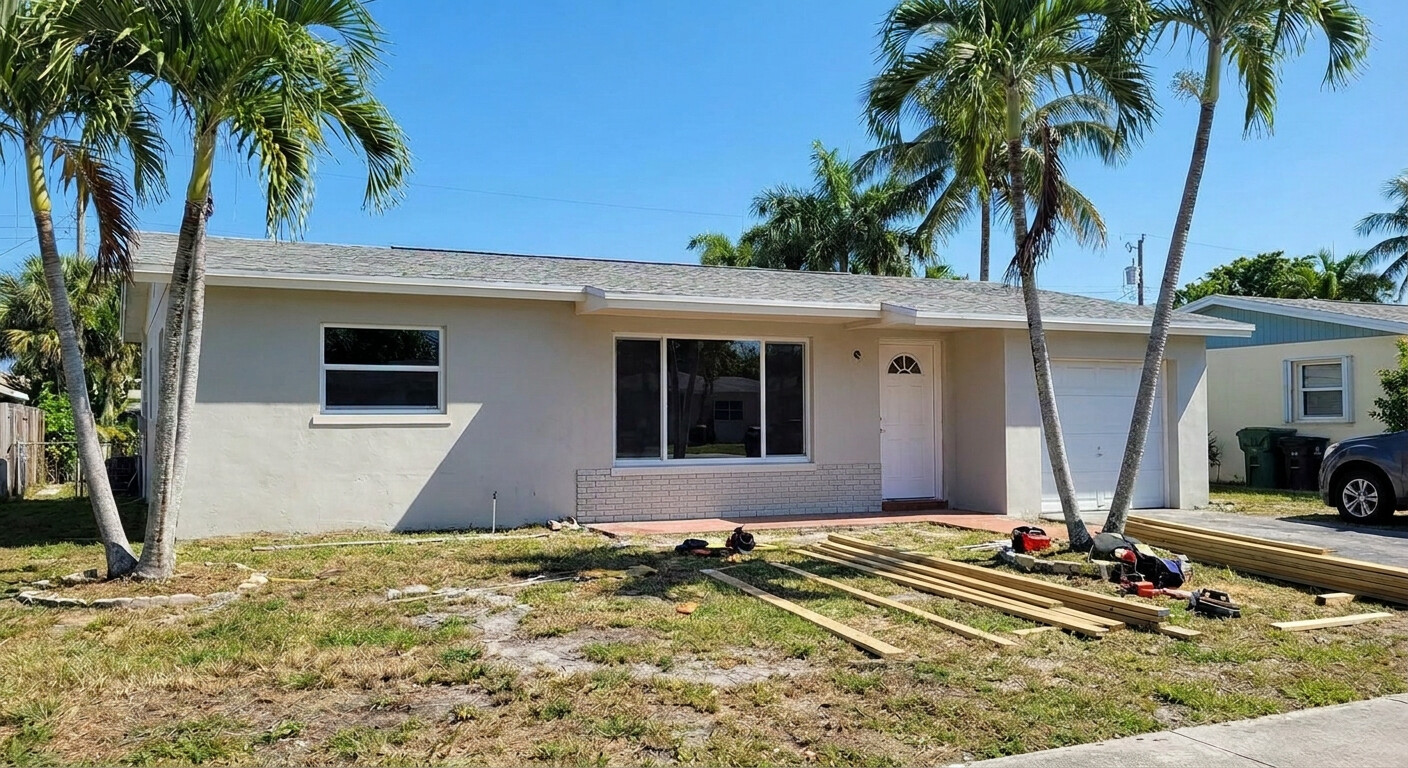
If the inspector flags issues, you'll need to fix them. That might mean hiring licensed electricians, plumbers, or structural engineers. It might mean ripping out work that doesn't meet code and starting over. And it definitely means more inspections once the fixes are done.
Budget for this. Plan for delays. And don't cut corners trying to save a few bucks. The county will catch it, and you'll just end up paying more in the long run.
Fines Add Up Fast
Beyond permit fees, you're likely facing fines for the violation itself. The amount depends on how long the work went unnoticed, how severe the infraction is, and whether you've had prior violations. Pay these promptly. Unpaid fines can turn into liens, which cloud your title and complicate any future sale or refinance.
Some property owners try to negotiate fines down. Sometimes it works. But don't count on it. The county has guidelines, and they stick to them.
Final Approval Closes the Loop
Once all inspections pass and all fees are paid, the county issues final approval. That's your proof that the violation is resolved and the work is now legal. File this documentation somewhere safe. You'll need it if you ever sell the property, refinance, or face another inspection down the road.
Without final approval, the violation stays open. And open violations are liabilities that follow your property, not just you.
Common Mistakes That Make It Worse
We've seen property owners turn manageable violations into nightmares by making a few predictable mistakes. Here's what to avoid:
- Assuming the county will forget about it if you stay quiet
- Continuing construction after receiving the notice
- Submitting incomplete or inaccurate permit applications
- Skipping inspections or trying to hide deficiencies
- Ignoring correction notices and hoping they go away
How to Stay Out of Trouble Next Time
The best way to handle a notice of violation is to never get one in the first place. That means checking with Palm Beach County's Building Division before starting any project — no matter how small it seems. Permits aren't just for major renovations. They're required for fence permits in Palm Beach County, sheds, electrical permit process in Palm Beach, plumbing permit in Palm Beach, and more.
Work with licensed contractors who pull permits as part of their process. Don't hire someone who promises to "save you money" by skipping the paperwork. That savings evaporates the moment Code Enforcement shows up.
What We've Learned from Property Owners Who've Been There
The owners who resolve violations fastest share a few traits. They act immediately. They hire professionals who know the system. They document everything. And they don't try to outsmart the county or cut corners during inspections.
The ones who struggle? They wait too long, try to DIY the permit process, or assume the county will be lenient. Spoiler: the county isn't lenient. They're consistent. And consistency means following the rules or facing the consequences.
When to Call for Backup
If your violation involves complex structural work, multiple code sections, or prior unresolved issues, you need professional help. A permit expediting service or experienced contractor can:
- Assess what permits are required and what corrections are needed
- Prepare and submit after-the-fact permit applications
- Coordinate inspections and handle communication with the county
- Ensure all work meets current codes before final approval
- Keep you from making costly mistakes that delay resolution
Documentation Protects You Long-Term
Even after the violation is cleared, keep every piece of paper related to the process. Permit applications, inspection reports, correction notices, payment receipts, final approval letters — all of it. Future buyers, lenders, and inspectors may ask for proof that the work was legalized.
Without documentation, you're back to square one, trying to prove something that should have been settled years ago. Don't let that happen.
The Cost of Doing Nothing
Some property owners think they can ride out a violation. Maybe the county will forget. Maybe the next owner will deal with it. Maybe it won't matter. Wrong on all counts. Unresolved violations lower property value, complicate sales, and can result in liens that survive ownership changes.
The longer you wait, the worse it gets. Fines accumulate. The county loses patience. And your options narrow. There's no upside to delay.
Moving Forward with Confidence
A notice of violation isn't the end of the world. It's a problem with a clear solution — if you're willing to follow the process, pay the fees, and do the work right. Palm Beach County gives property owners a path to compliance. Take it. Don't fight it, don't ignore it, and don't assume you can talk your way out of it.
We've guided property owners through this exact situation more times than we can count. The ones who succeed are the ones who treat the violation seriously, move quickly, and bring in the right help. That's how you turn a stressful notice into a closed case — and how you protect your property for the long haul.
Let’s Resolve Your Violation Together
Facing a notice of violation can feel overwhelming, but you don’t have to handle it alone. We’ve helped countless Palm Beach County property owners navigate the permit process, clear violations, and protect their investments. Let’s put our experience to work for you—call us at 561-446-2929 or schedule a consultation and take the first step toward peace of mind today.
‹ Back
Recent Posts
-
Can a Code Violation Hold Up Your Palm Beach Renovation?
October 12, 2026
-
Unpermitted Home Additions in Palm Beach and How to Fix Them
September 28, 2026
-
Real Estate Closing Delays Caused by Permit Issues in Palm Beach
September 14, 2026
-
What Should You Do About a Stop Work Order in Palm Beach?
August 31, 2026
-
How Long Does It Take to Get a Building Permit in Palm Beach?
August 17, 2026