What Happens If You Build Without a Permit in Palm Beach?
Most property owners view permits as red tape. Paperwork, fees, delays. But Palm Beach County sees them as the line between safe construction and liability waiting to happen. Skip that process and you're not just bending rules—you're creating a footprint that inspectors, buyers, and insurers will eventually trace back to you. Especially when someone files a complaint or you try to sell.
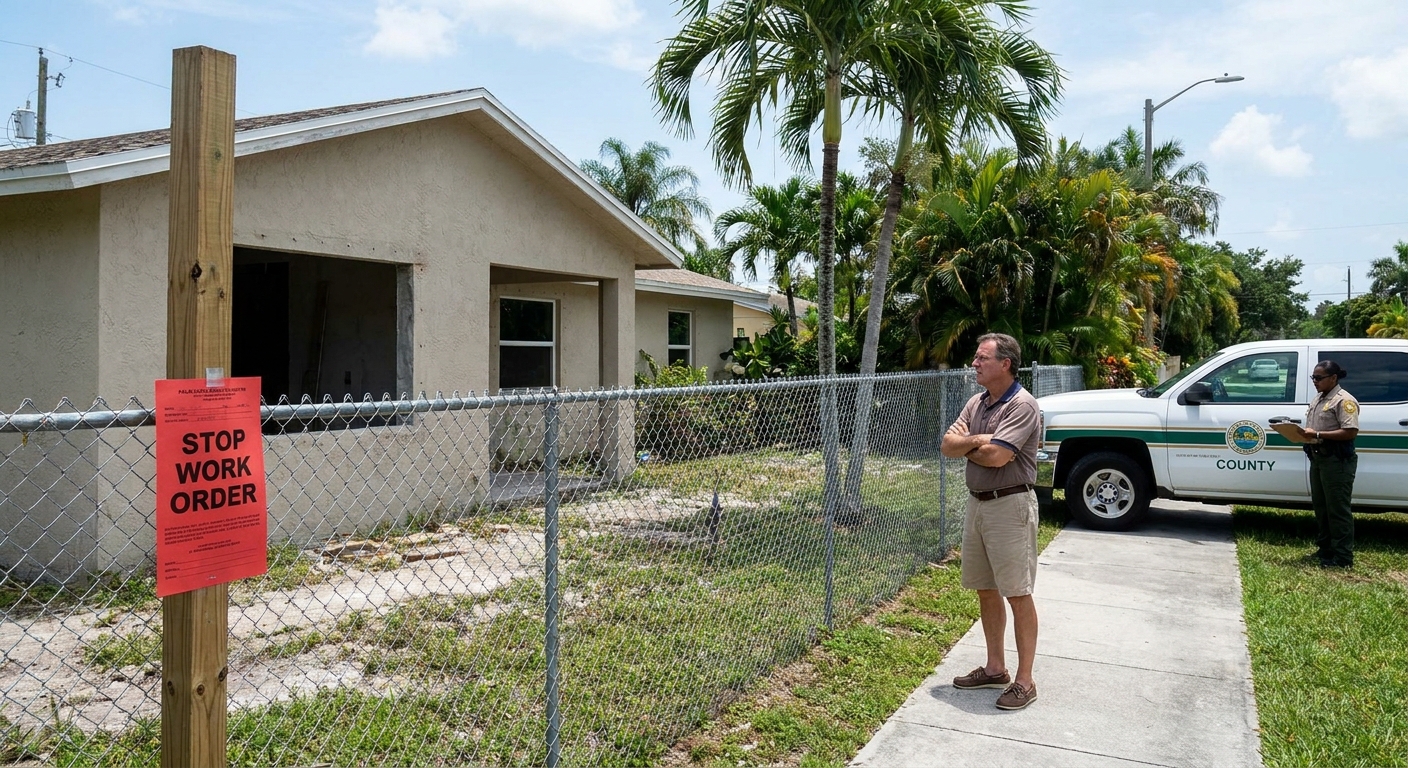
So here's what matters. If you're adding square footage or rewiring a room, that work needs documentation. Not just for code compliance, but because every structural change leaves a mark on your property record. Every unpermitted project creates exposure. And every decision to build without approval should account for what happens when the county catches up—not if, but when.
Why Permits Exist in the First Place
Permits aren't bureaucracy for sport. They verify that construction meets Florida Building Code, zoning restrictions, and environmental standards. Whether you're framing an addition, running new electrical lines, or installing plumbing, the county wants proof that the work won't collapse, catch fire, or flood your neighbor's yard.
Beyond safety, permits protect property values and keep insurance valid. That garage conversion might look solid now, but if it wasn't inspected and approved, you're sitting on a time bomb. One that ticks louder every time you list the house or file a claim.
What Kicks In When You Get Caught
Palm Beach County Building Division doesn't wait for annual sweeps. Inspectors respond to tips, neighbor complaints, and routine checks. If they spot unpermitted work—whether it's halfway done or finished for years—you're looking at immediate action. No grace period, no warnings.
Here's what enforcement looks like:
- Stop work orders that freeze your project until you pull permits and pass inspections
- Daily fines that stack up fast, often costing more than the permit would have in the first place
- Mandatory court appearances if the violation drags on or you ignore compliance orders
- Public records that flag your property as non-compliant, visible to anyone running a title search
- Liens placed on your property until all fines and fees are paid in full
The Damage That Outlasts the Fine
Paying a penalty doesn't erase the problem. Unpermitted construction creates long-term complications that can haunt your property for years. Some issues show up when you sell. Others surface during insurance claims or refinancing attempts.
Here's what sticks around:
- Forced demolition of structures that can't be brought up to code, with removal costs on you
- Title companies flagging permit discrepancies, which can kill a sale or force price reductions
- Lenders refusing to finance properties with unresolved permit violations
- Insurance carriers denying claims tied to unpermitted work, leaving you exposed
- Appraisals that ignore unpermitted square footage, cutting your home's assessed value
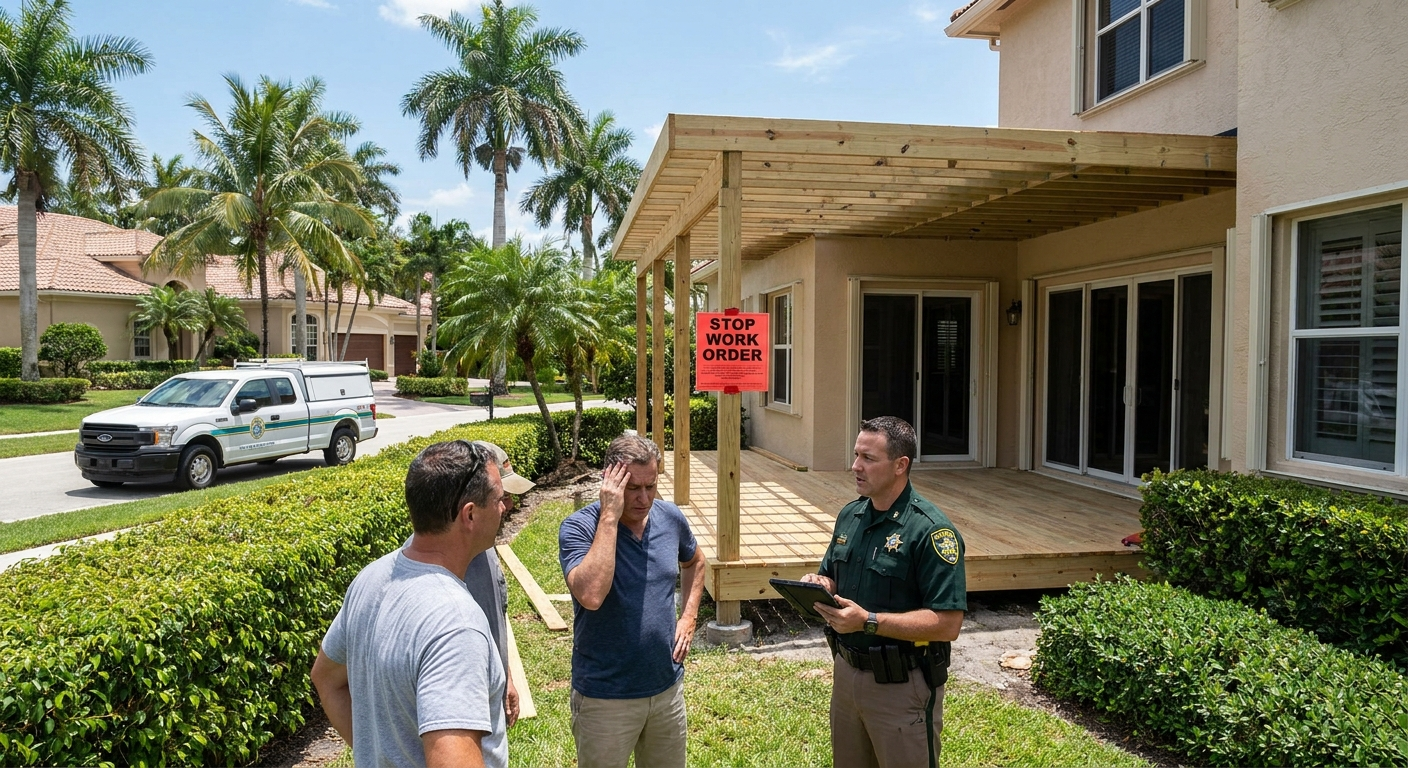
After the Fact Permitting Exists But It Costs
If you've already built without approval, Palm Beach County offers a retroactive permit process. It's called after-the-fact permitting, and it's exactly what it sounds like—applying for permission after the work is done. But don't expect a smooth path. Inspectors will require access to hidden areas, which often means tearing out drywall, removing fixtures, or opening up ceilings.
You may need to hire licensed contractors or engineers to certify the work. If it doesn't meet code, you'll either fix it or tear it out. Neither option is cheap, and both take time. The county doesn't care how long the work's been there or how much you spent. If it's not compliant, it's a problem.
Staying Clean From the Start
The smartest move is avoiding unpermitted work entirely. Before breaking ground, check with the Palm Beach County Building Division. Even minor projects—like replacing a water heater or installing a fence—can require permits depending on scope and location.
Work with licensed contractors who understand local codes and can handle the permitting process. Don't trust a handyman who says permits are optional or that "nobody checks." The county checks. And when they do, it's your name on the deed.
Documentation Beats Assumptions Every Time
Want to prove your property is compliant? Show your permits. Buyers, insurers, and lenders won't take your word for it. They'll pull county records and compare them against what's standing on the lot. If there's a mismatch, you're explaining it—or paying for it.
Keep copies of every permit, inspection report, and final approval. Store them with your property records. If you hire contractors, make sure they pull permits under their license and provide you with documentation. That paper trail is your defense when questions arise.
When Cutting Corners Costs More
Building without a permit in Palm Beach isn't just risky—it's expensive. Fines, legal fees, forced removals, and lost equity add up fast. The county doesn't negotiate, and buyers don't overlook violations. If you're facing property code violation issues or need help with building permit expediting, professional permit expediters can help you navigate compliance requirements and resolve outstanding violations efficiently.
Let’s Protect Your Property Together
We know how overwhelming permit issues can feel, but you don’t have to face them alone. Let’s make sure your next project is safe, compliant, and stress-free from start to finish. If you have questions or need expert help with permits in Palm Beach, call us at 561-446-2929 or schedule a consultation and we’ll guide you every step of the way.
‹ Back
Recent Posts
-
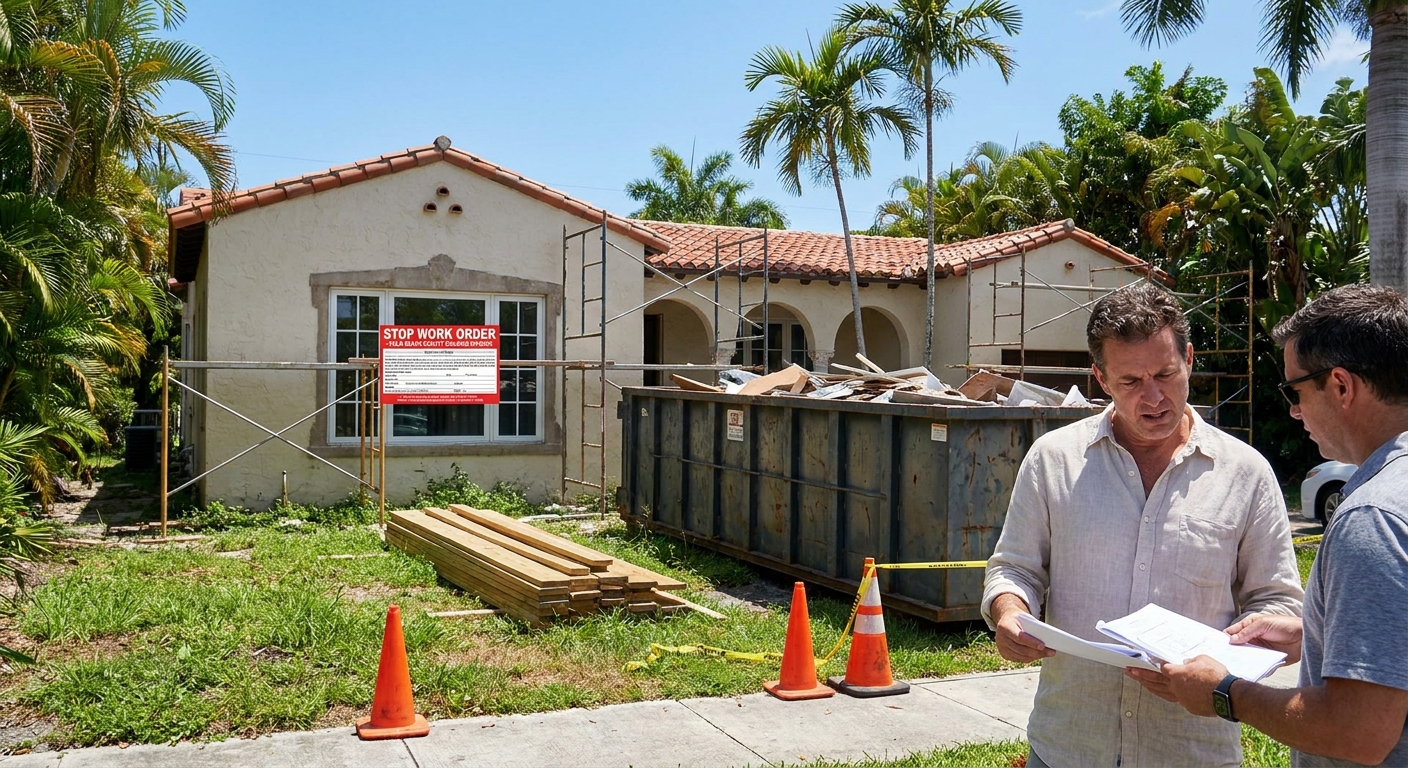
Can a Code Violation Hold Up Your Palm Beach Renovation?
October 12, 2026
-
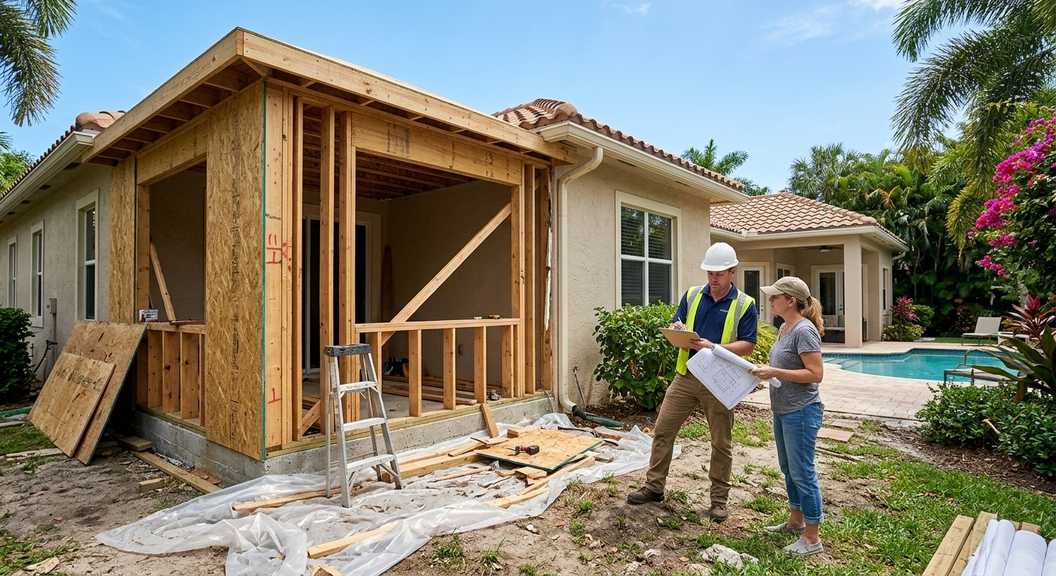
Unpermitted Home Additions in Palm Beach and How to Fix Them
September 28, 2026
-
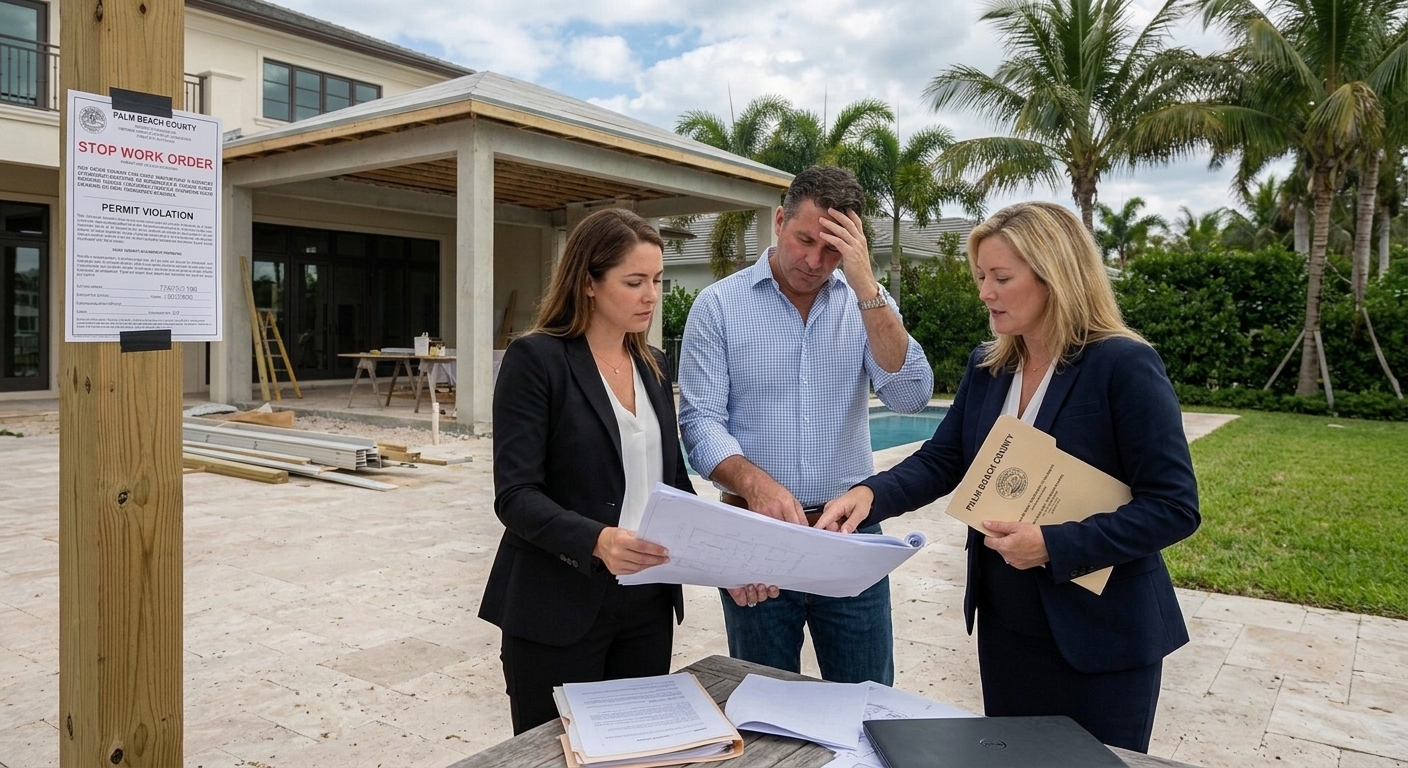
Real Estate Closing Delays Caused by Permit Issues in Palm Beach
September 14, 2026
-
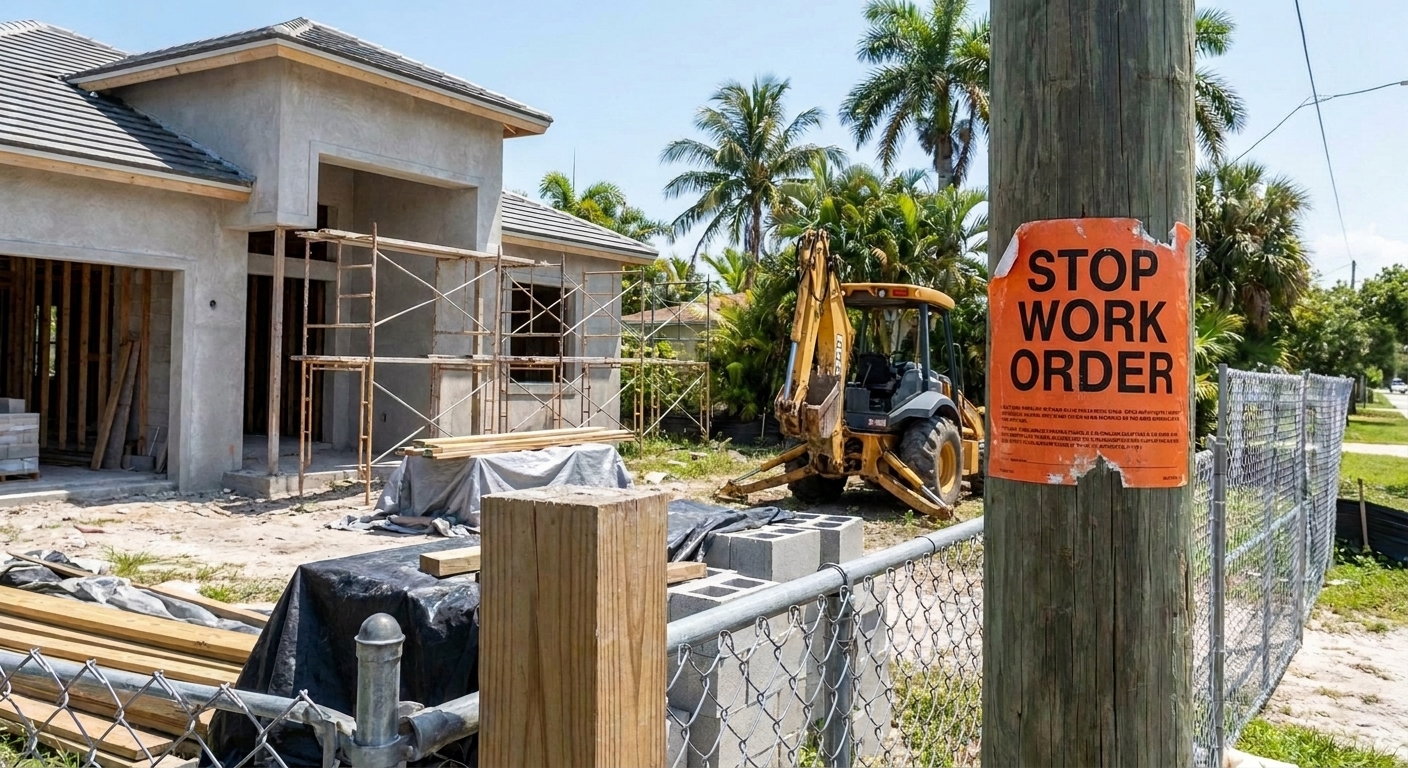
What Should You Do About a Stop Work Order in Palm Beach?
August 31, 2026
-
How Long Does It Take to Get a Building Permit in Palm Beach?
August 17, 2026